Discover
Discover Kaikōura’s past through our exhibits.
Permanent Exhibition
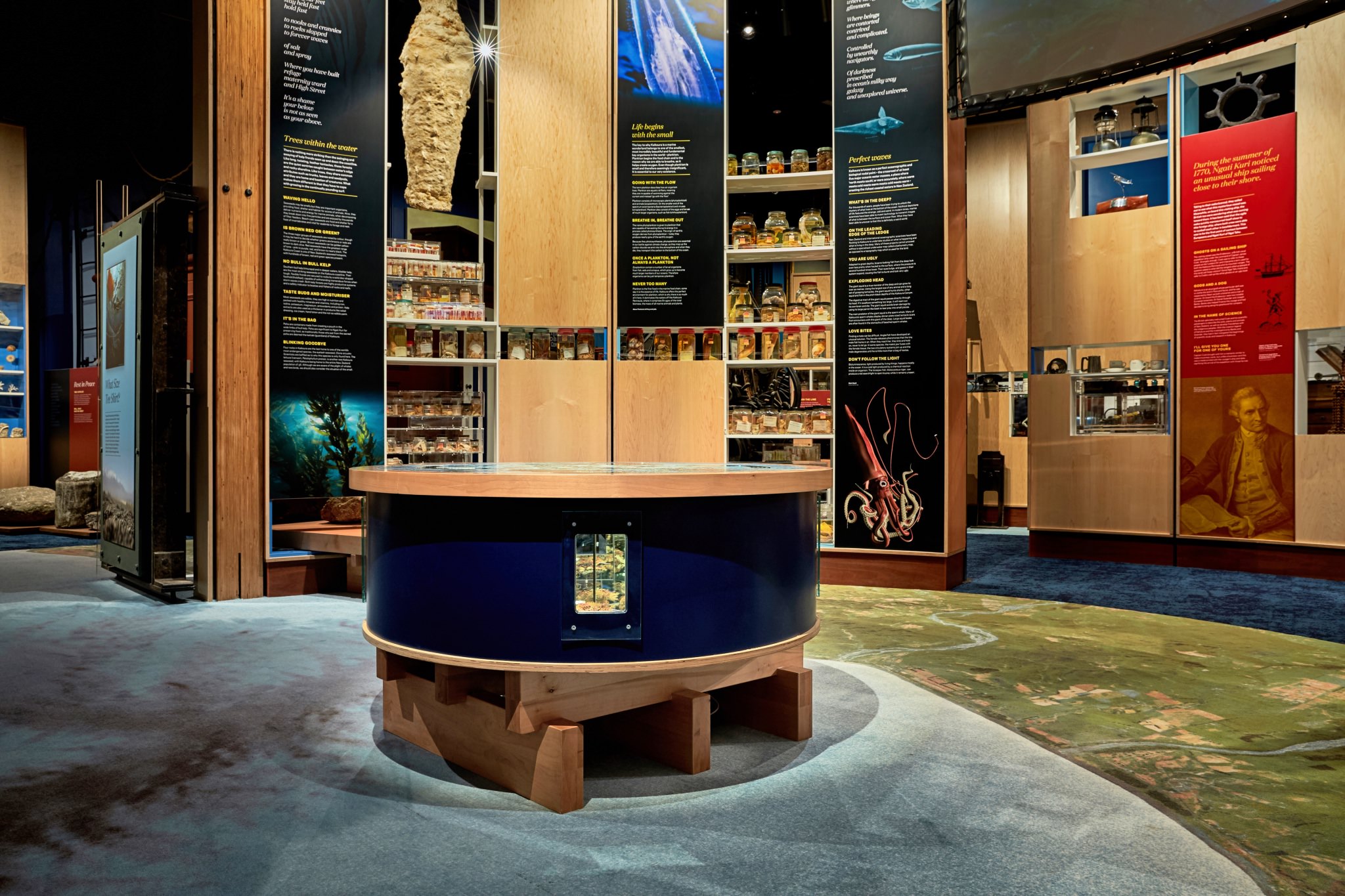
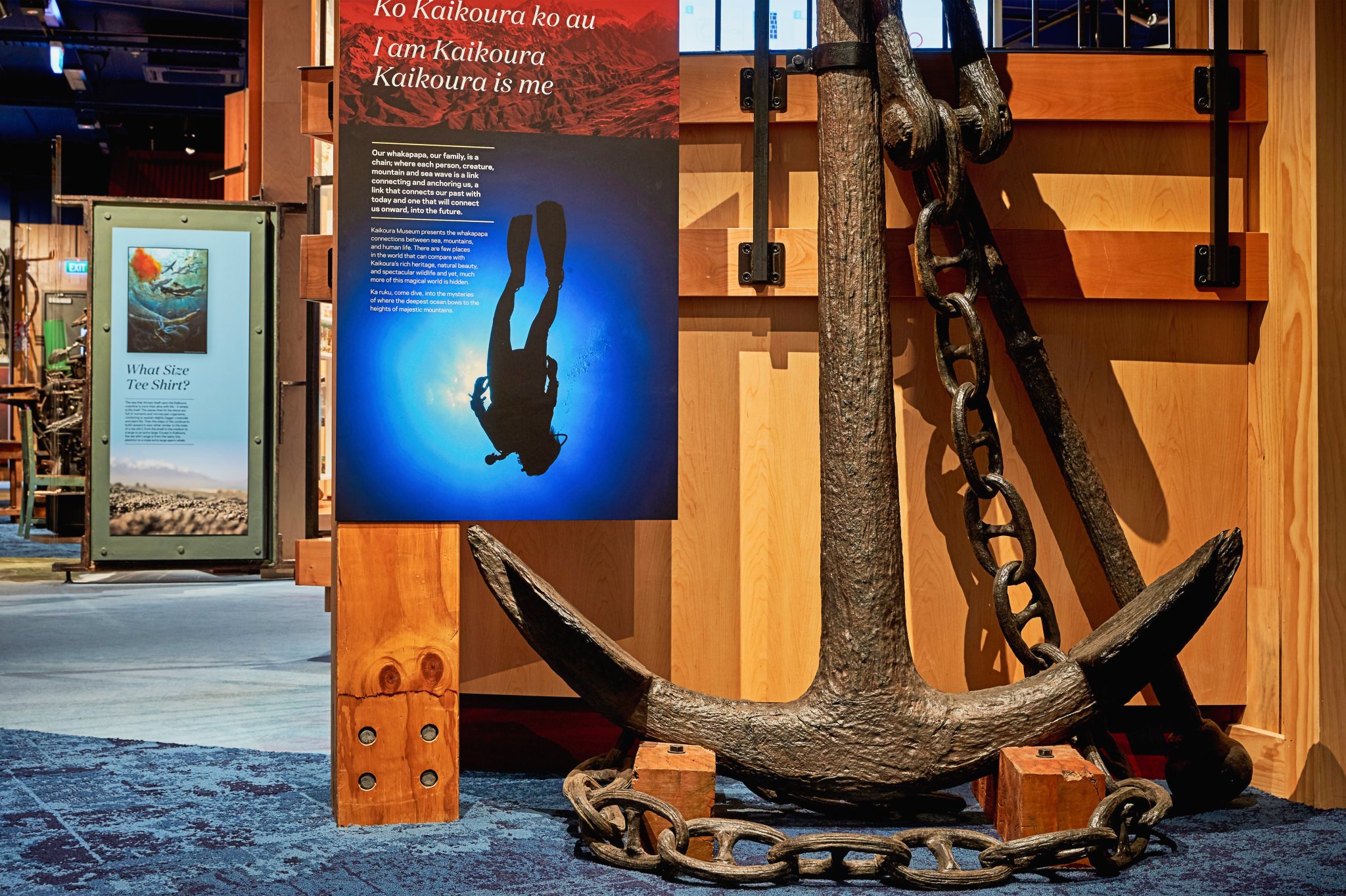
Kaikōura Museum’s long-term display is uniquely presented in an award-winning exhibition area which highlights the district’s fascinating connection with the sea.
From the dramatic geological features of our coastline to early Māori settlement, subsequent European development, and more recently, surfing and tourism, Kaikōura has been shaped and influenced by the abundant marine life and spectacular ocean on its doorstep.
Come and explore our collections to discover more about the distinct history of this special place, its people, and their journey to where we are today.
Natural History
Kaikōura’s wild creatures, fossils and deep sea secrets
Where waves meet mountains.
With high mountains, narrow plains, rocky coastline and deep sea trenches, Kaikōura is one of the few places on earth where so many complex systems stand so visually interconnected.
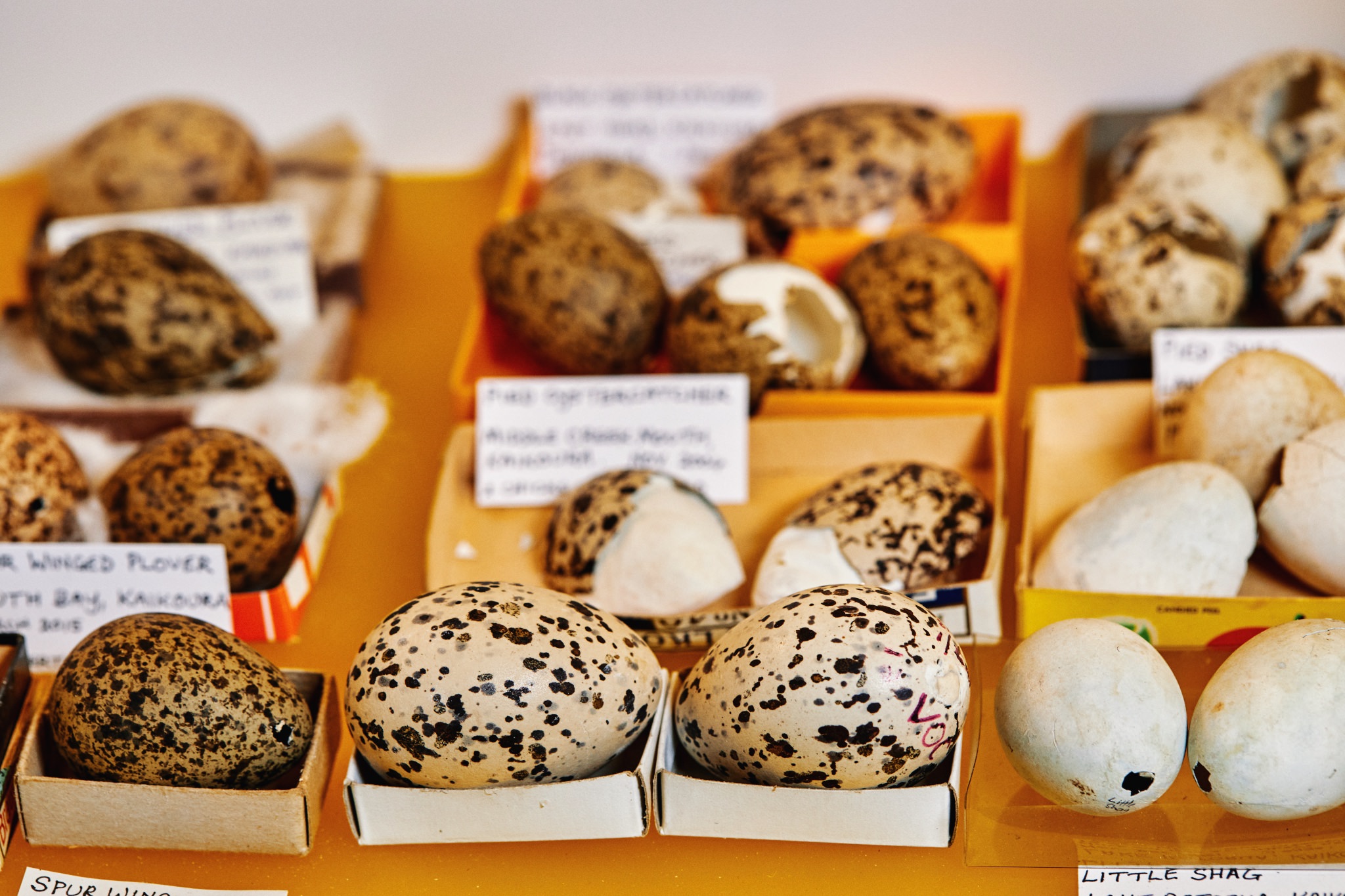
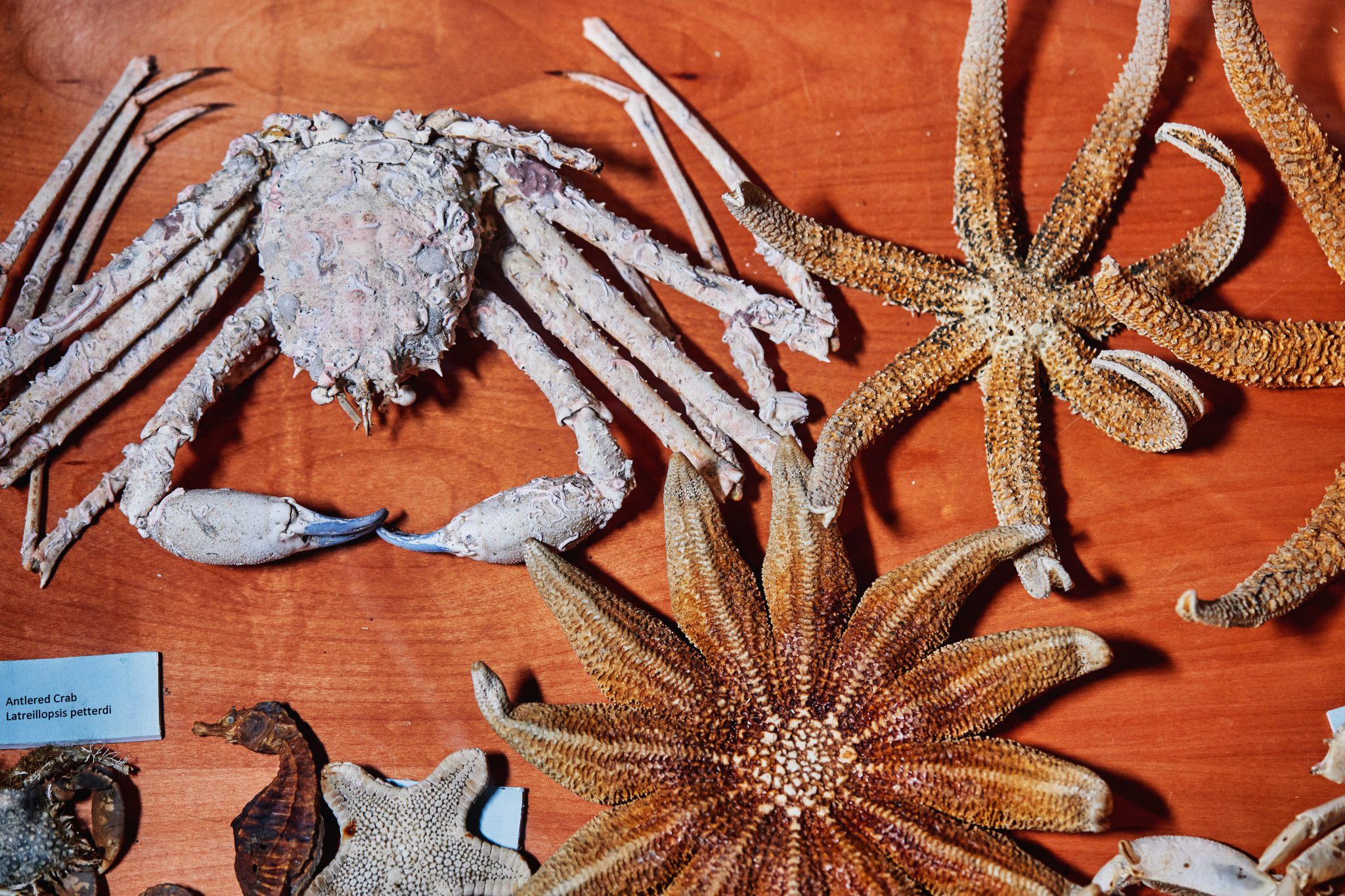
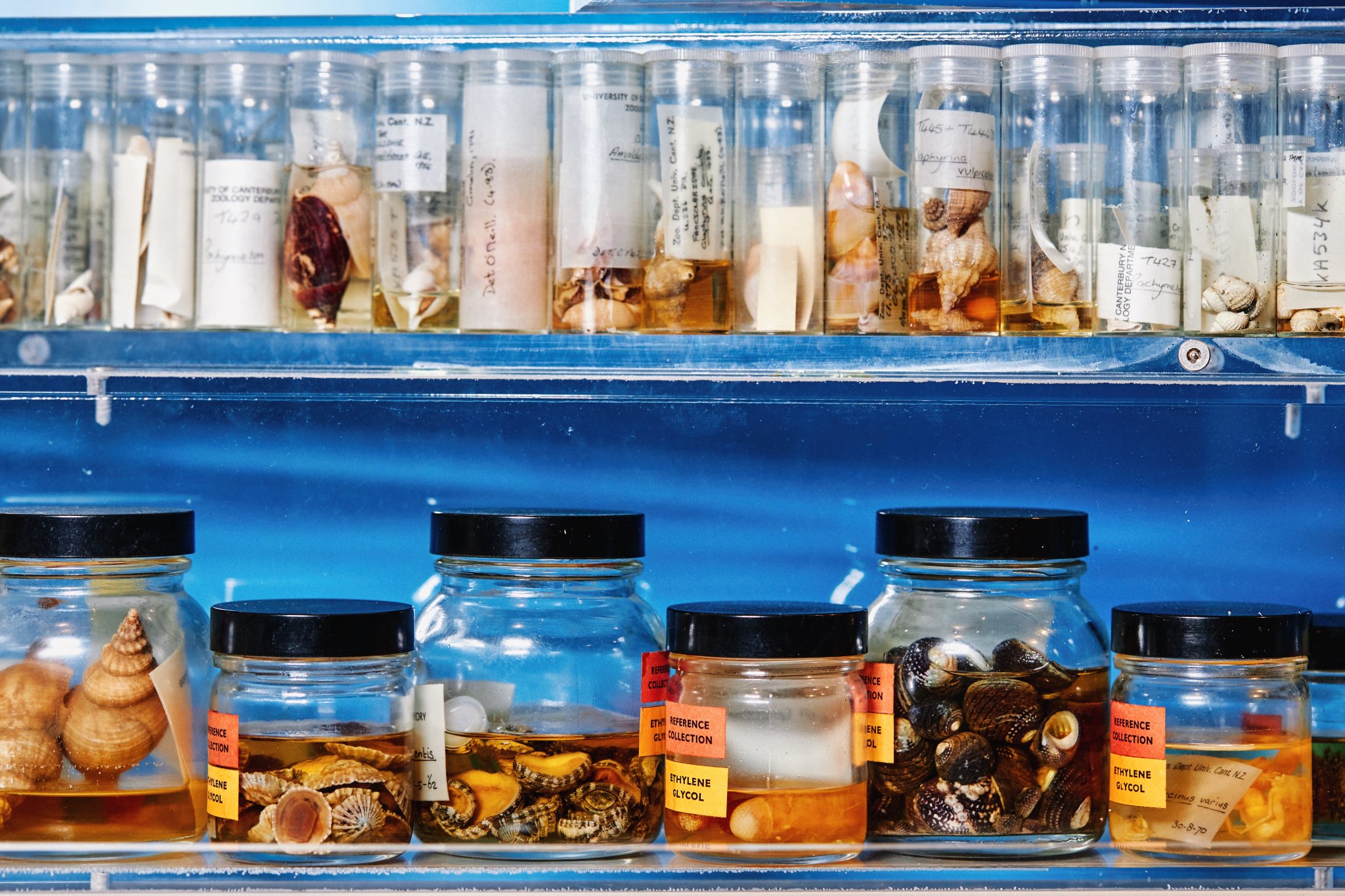
From bugs to bats, dinosaurs to dolphins Kaikōura is, or has been, home to a diverse population of creatures. These can all be discovered through our impressive fossil collection, marine specimens, extensive collection of birds eggs and chronicles of our natural history.


Taonga Maori
Ngā taonga of Kaikōura’s iwi and hapū
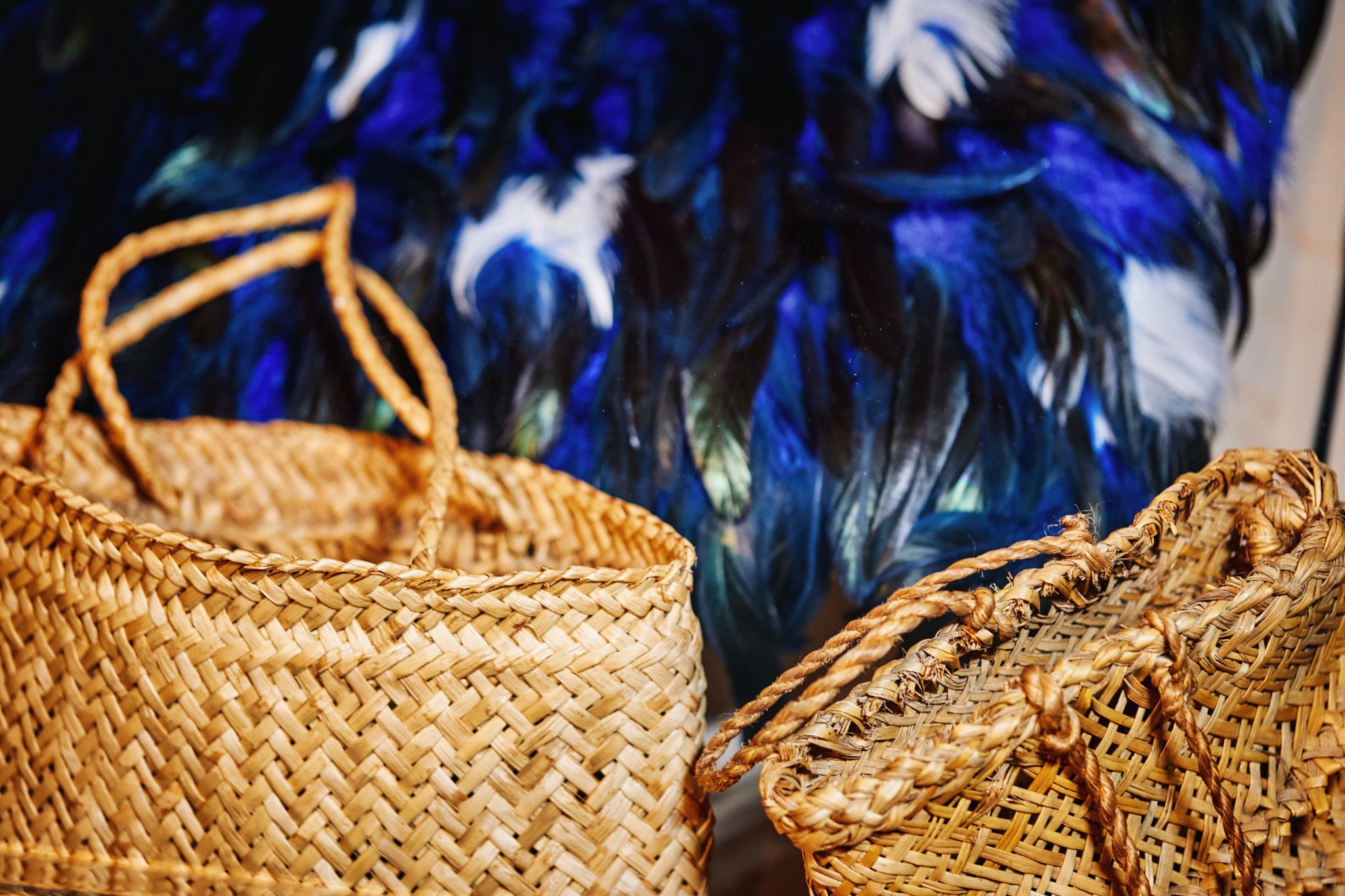
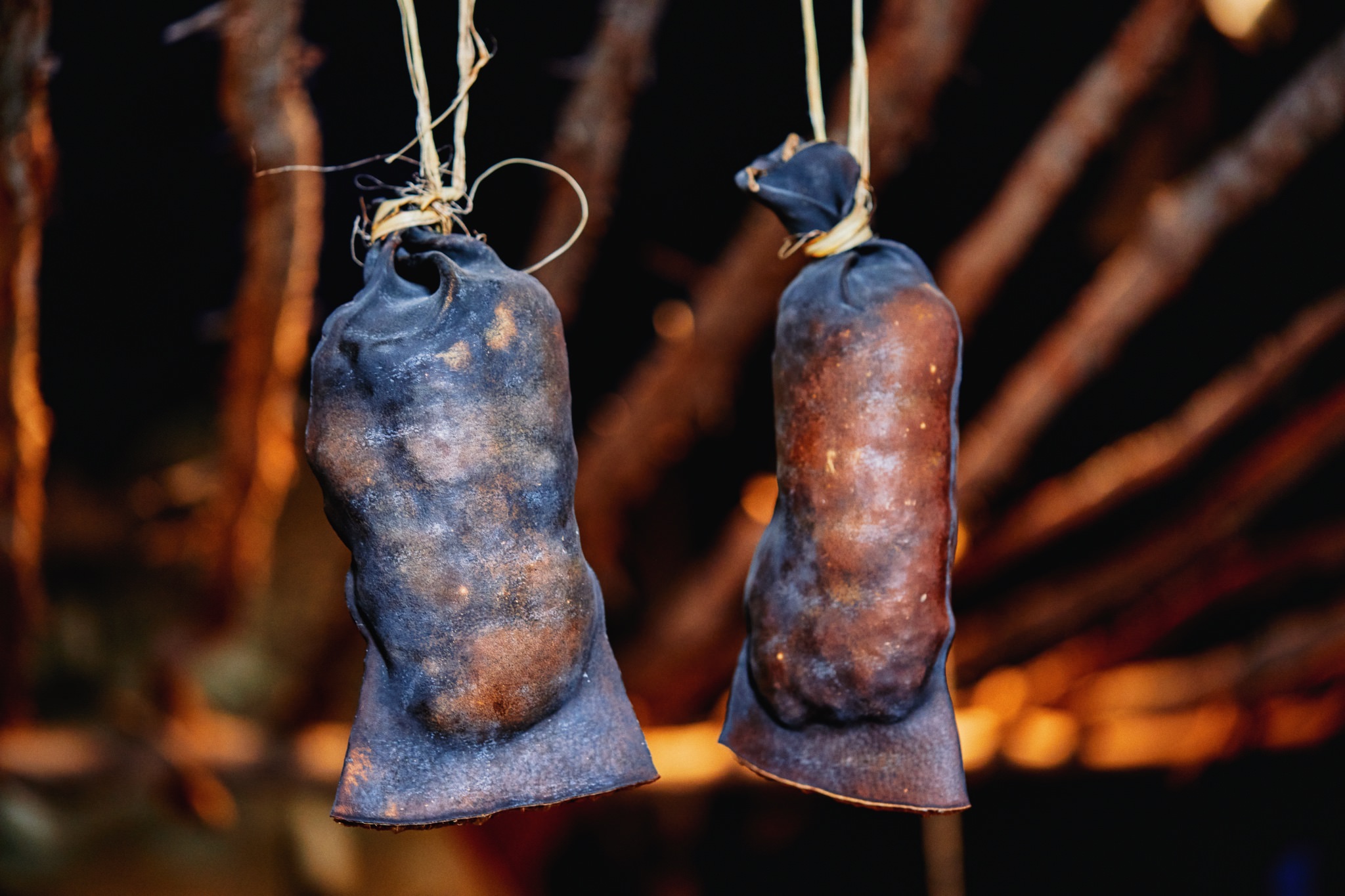
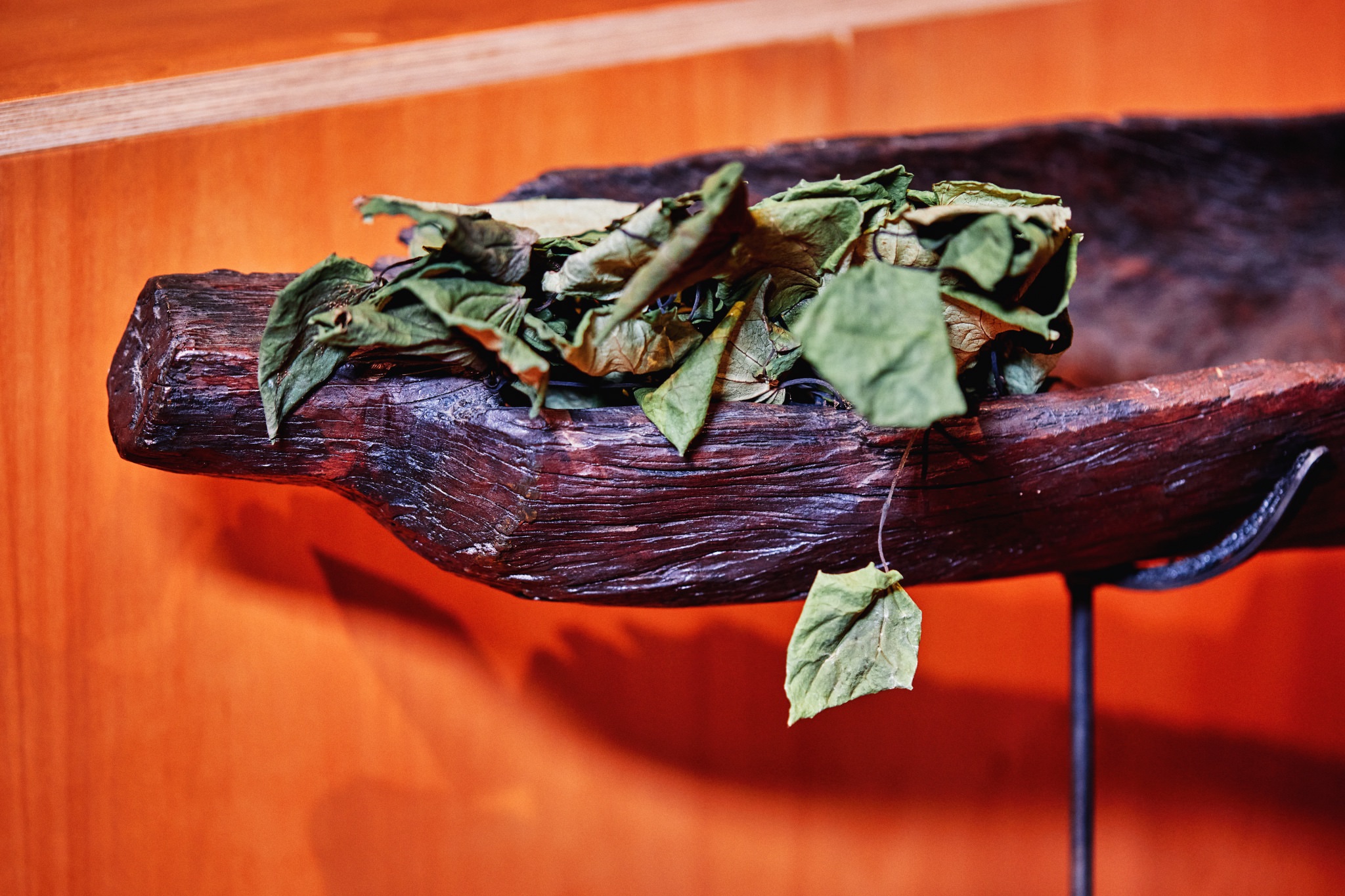
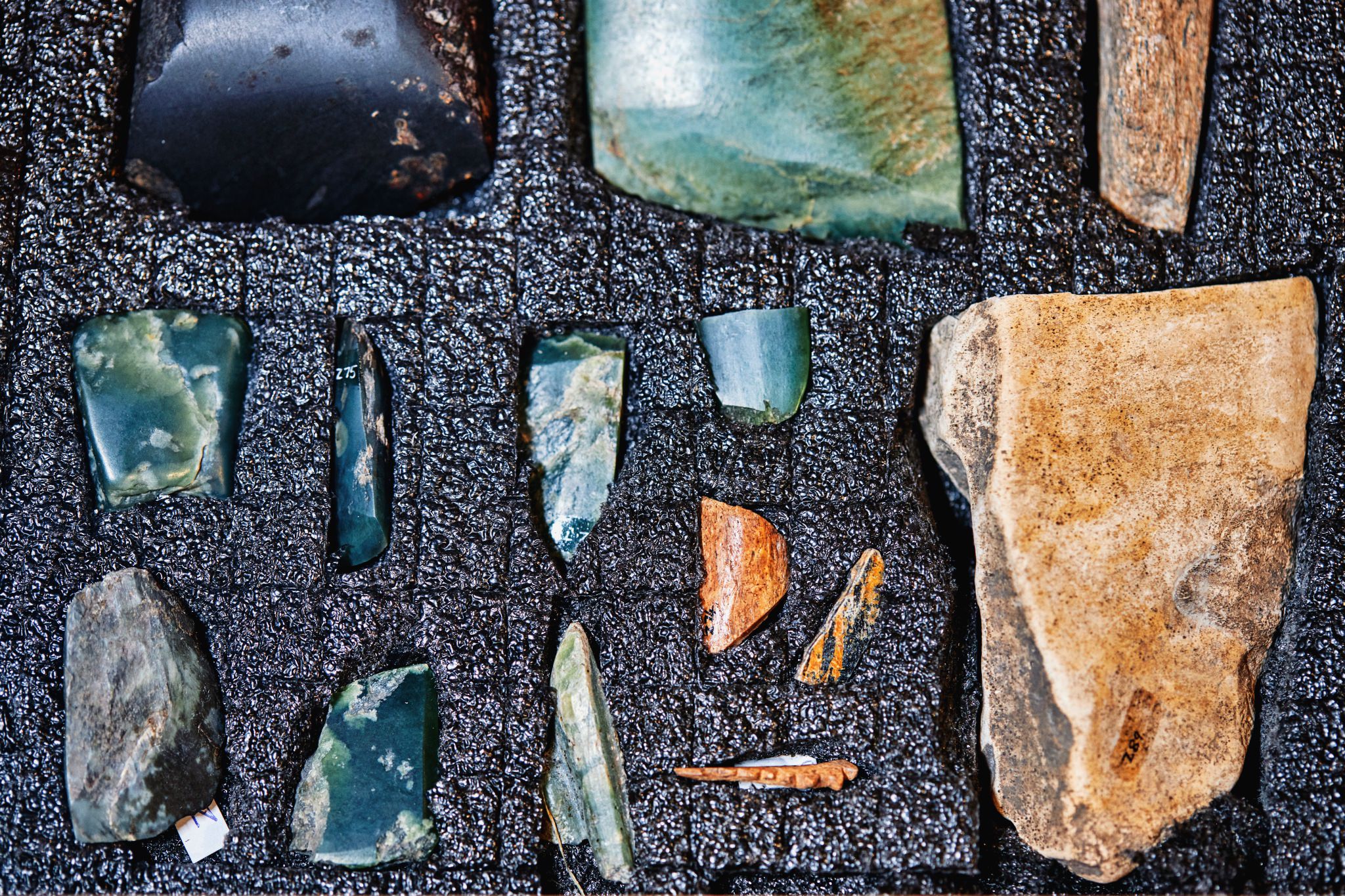
The entire Kaikōura coastline was highly populated by iwi Maori. The Museum holds a wonderful collection of Taonga Maori highlighting their skill at turning various types of wood, rock and bone into multipurpose utensils and implements.
The collections also include examples of Maori textiles, craft and design.
New Normal – 2016 Kaikōura Earthquake
How 120 Seconds Reshaped a Town Forever
If you examine the geological history of Kaikōura, it has always been in a state of constant change – on a continuum. However, humans tend not to notice geological changes until they literally hit them in the face. Just a little after midnight on the 14th November 2016, Kaikōura was to feel the brunt of the largest and longest earthquake ever recorded in New Zealand. All that was normal changed within 120 seconds.
New Normal looks at the impacts of the Kaikōura earthquake on our community, our landscape and our natural environment. It includes a selection of individual ‘mini exhibitions’ contributed by the Kaikōura Community, which help tell the many stories that unfolded following this historic event.

Fishing & Whaling
The industries that shaped Kaikōura’s coast
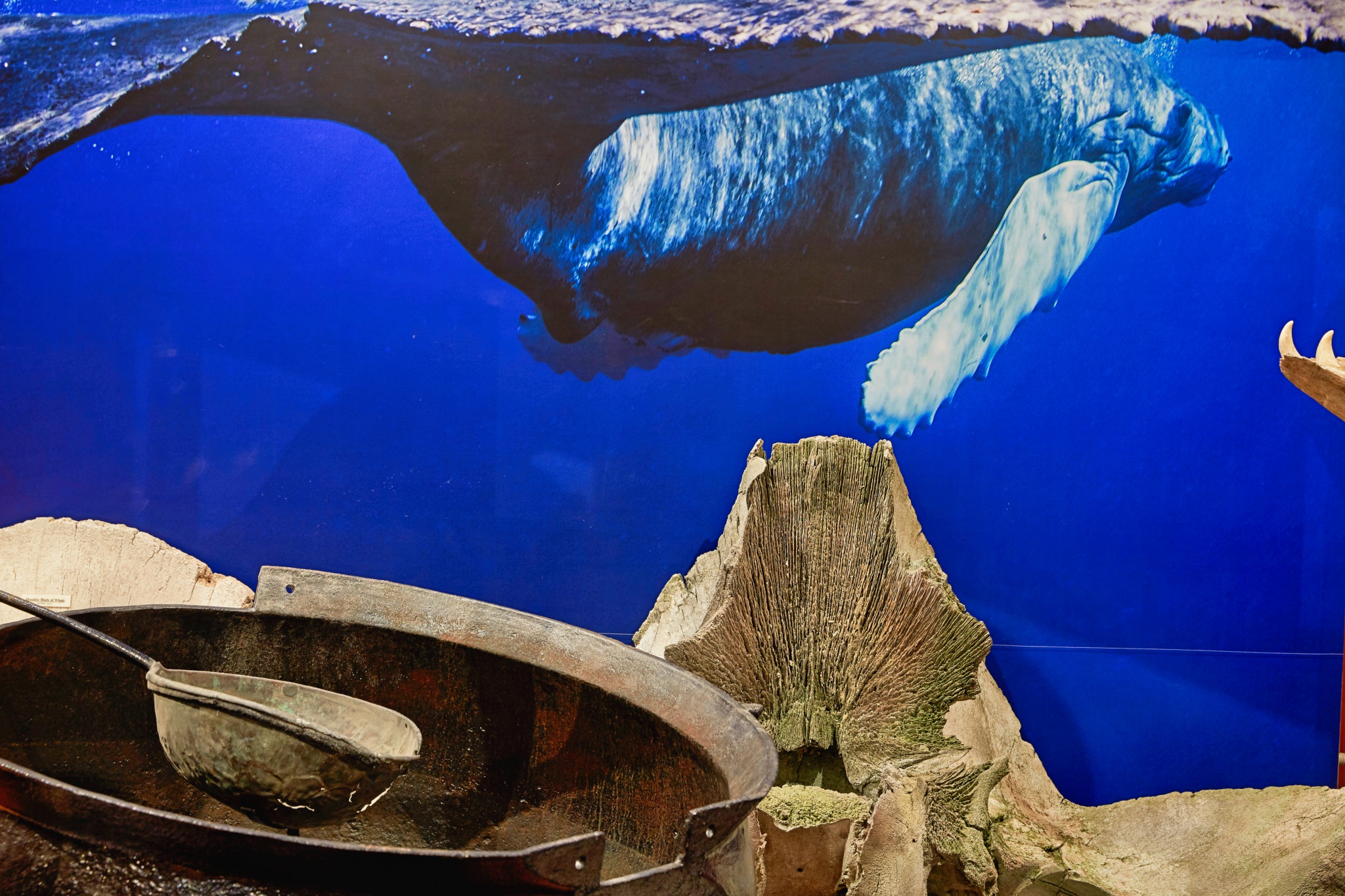
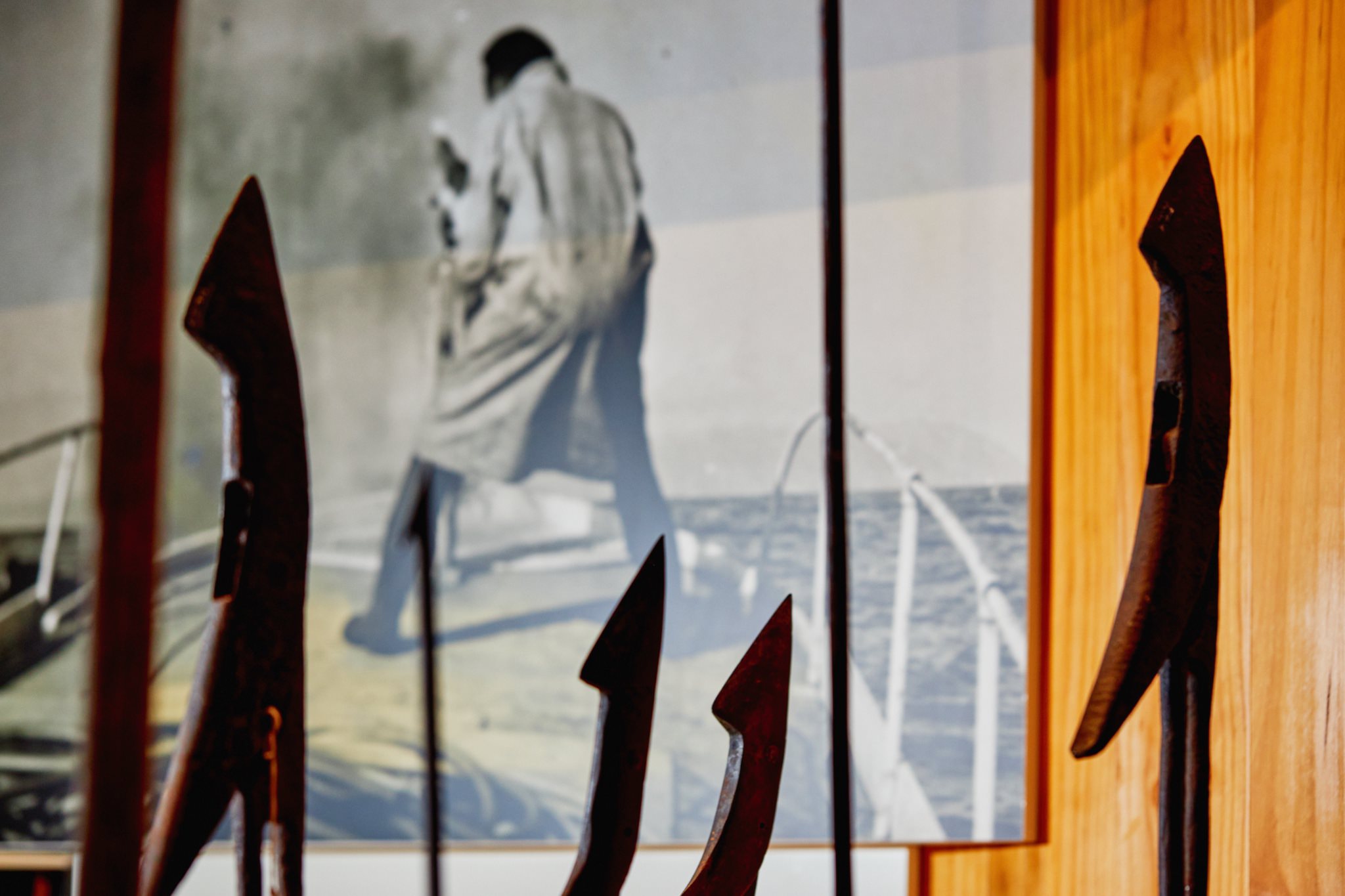
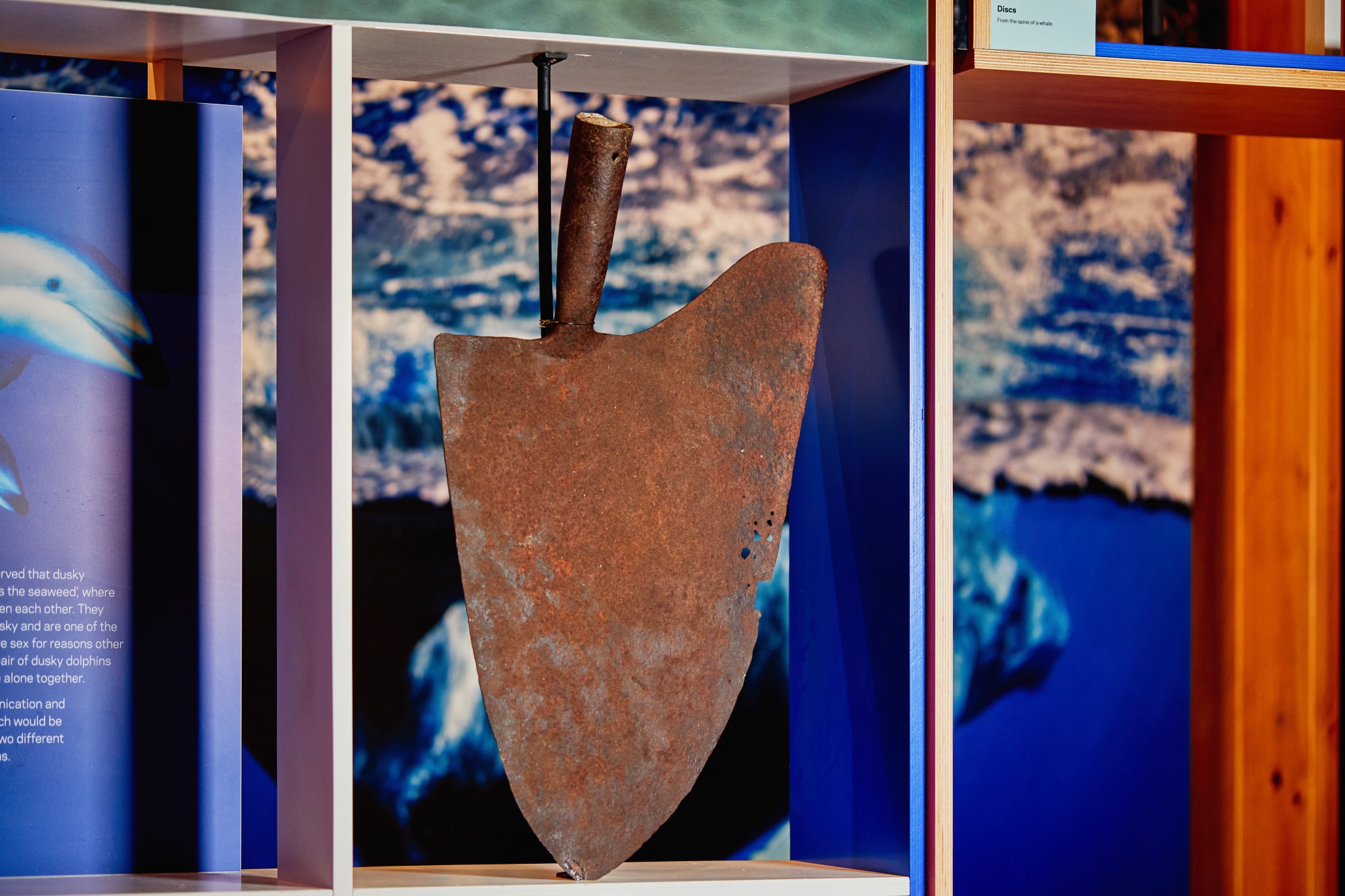
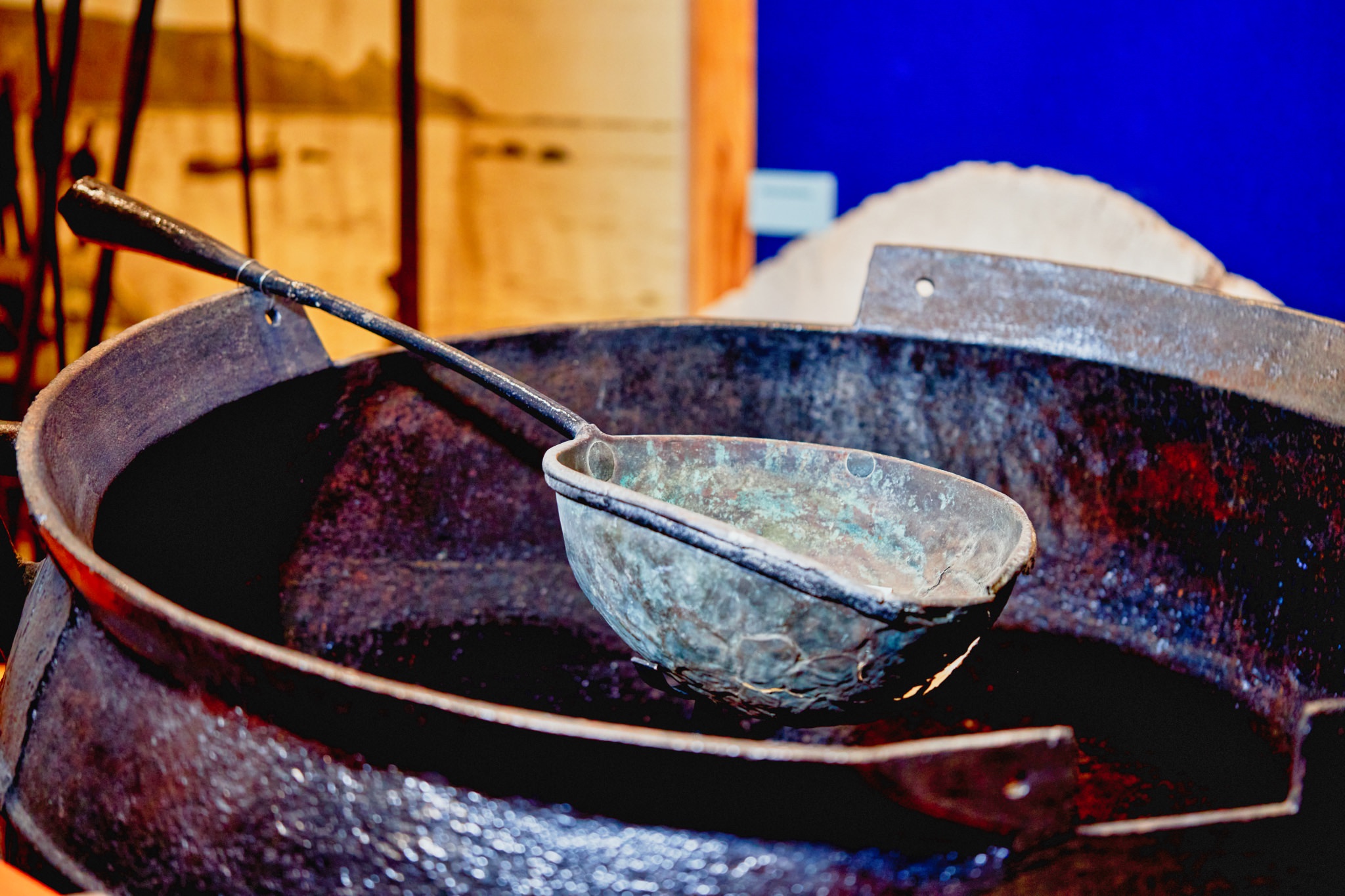
Maori and European settlements alike were encouraged by the abundant marine life along the Kaikōura coastline. Learn about how fishing and whaling helped shape the development of this seaside town and how our unique marine life still plays a vital part of our economy by attracting tourists who come to see whales, seals and dolphins and to surf our world class breaks.
Village Life
Stories from Kaikōura’s past communities
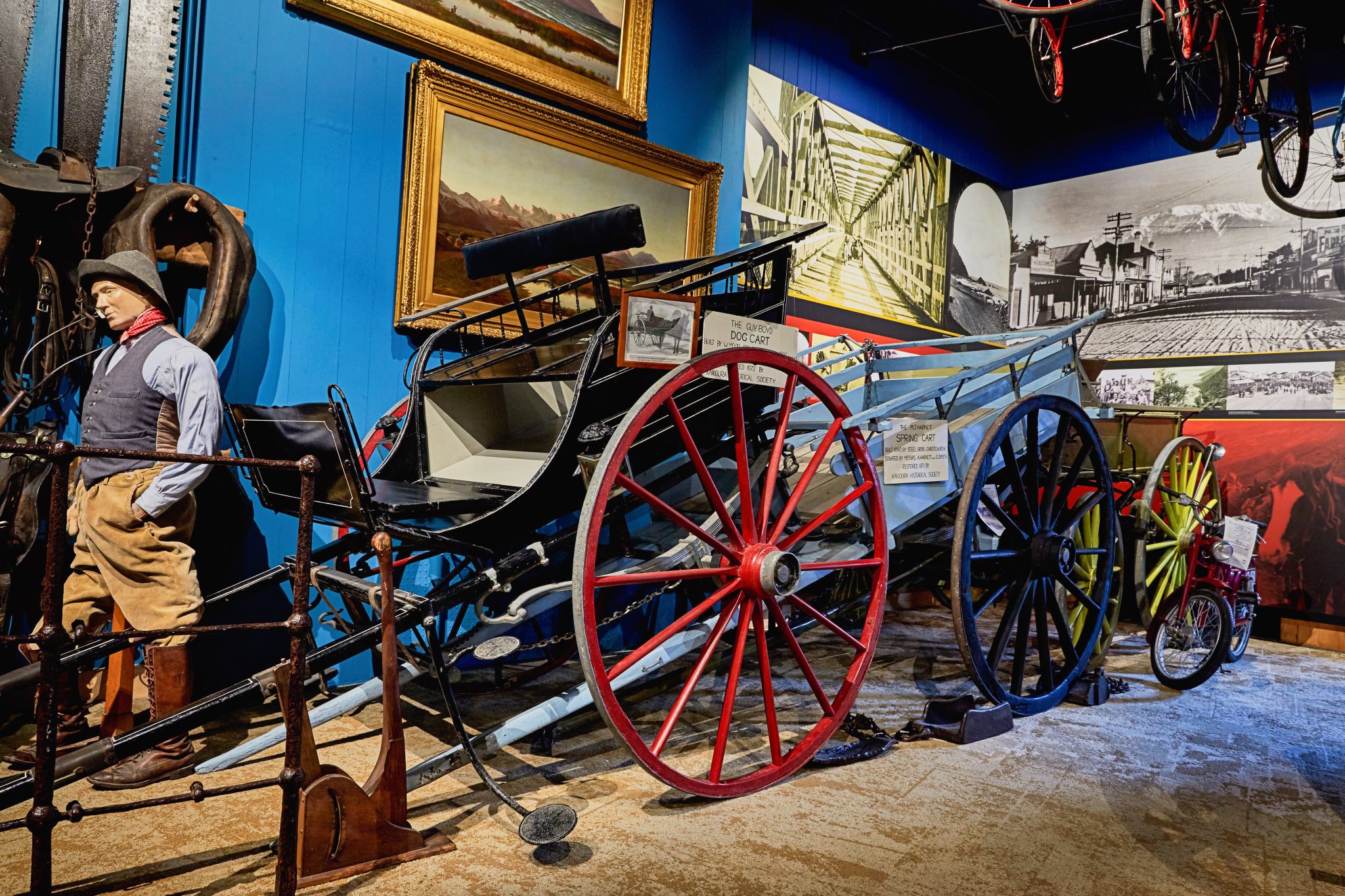
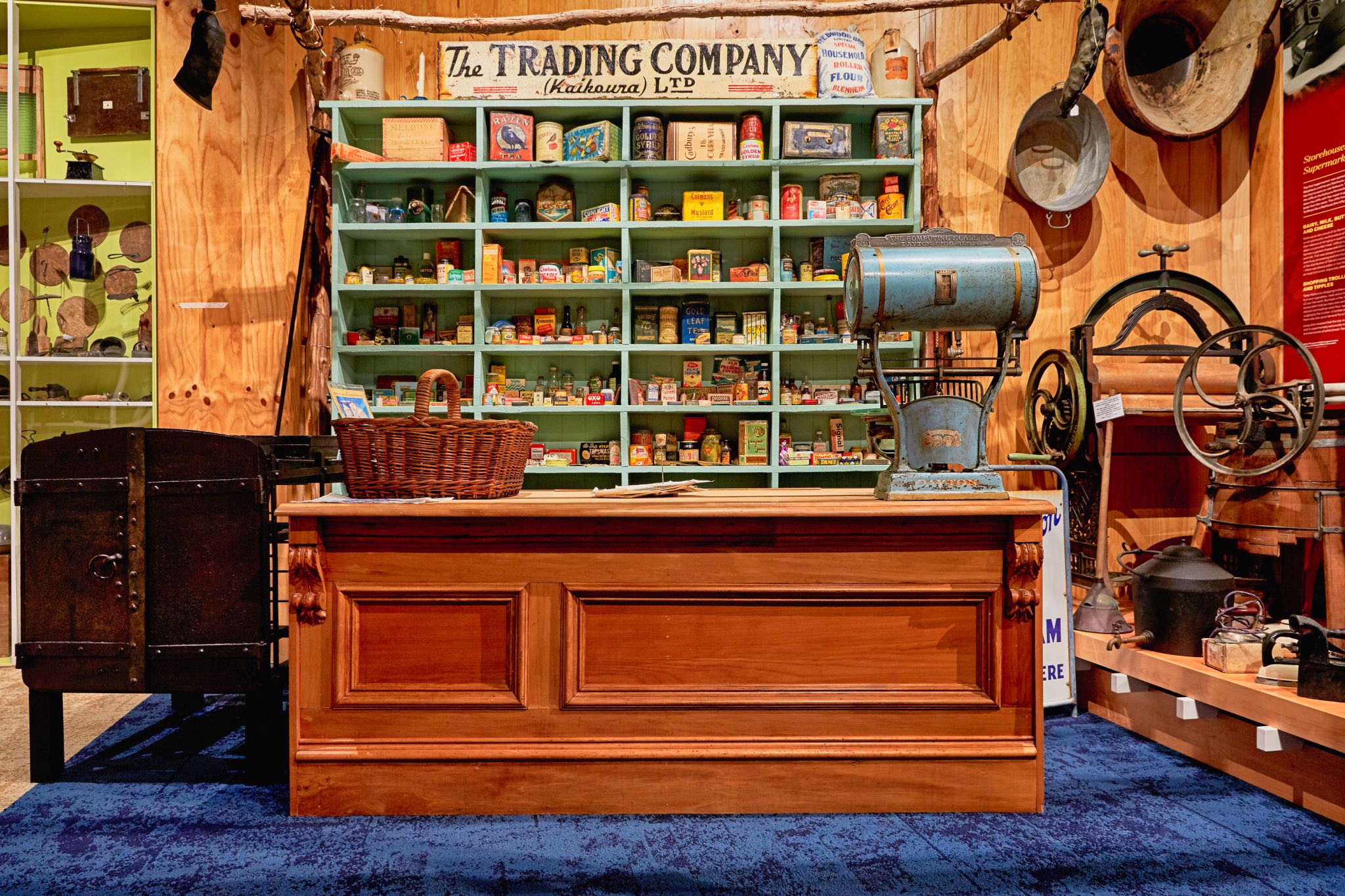
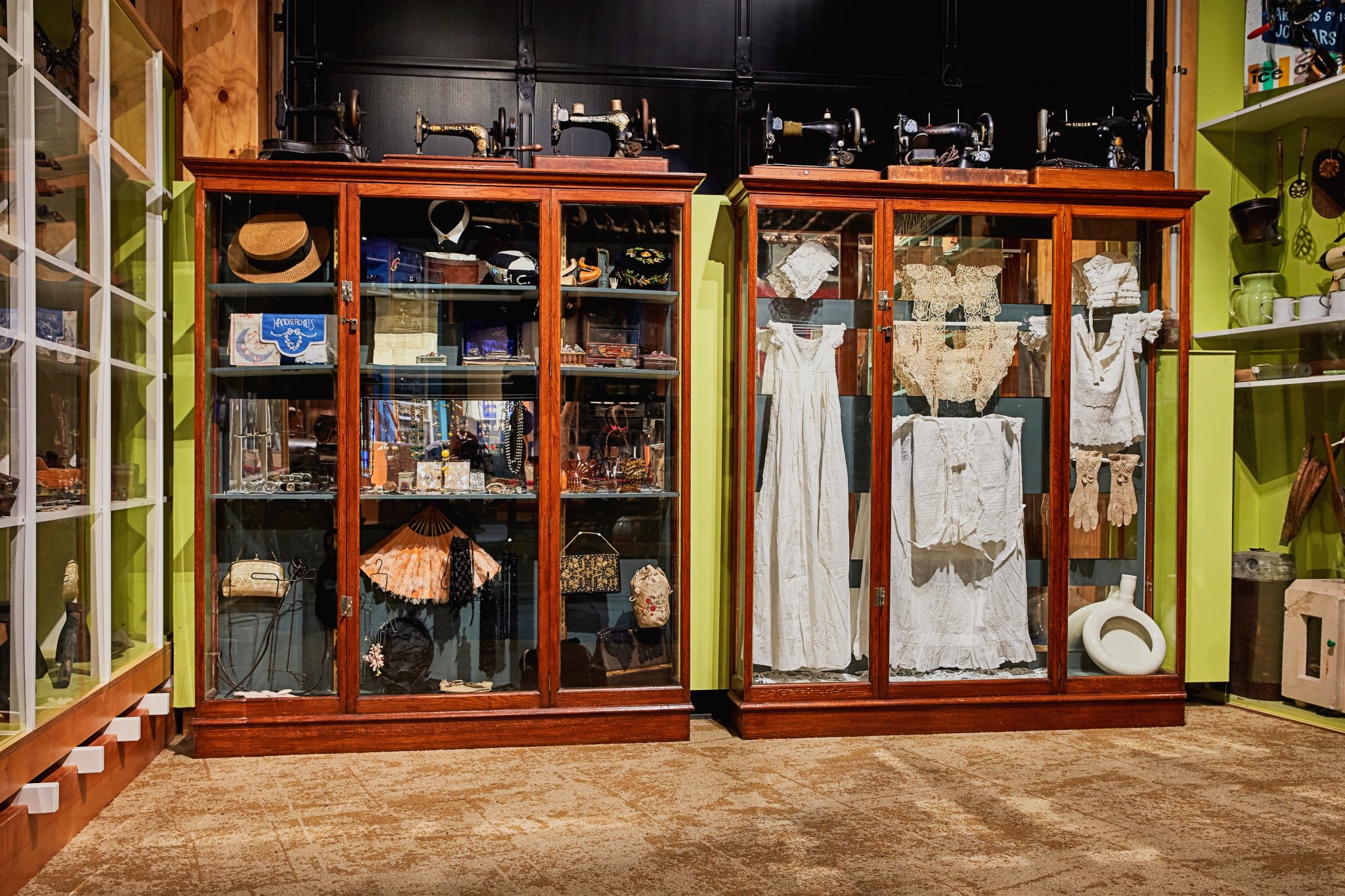
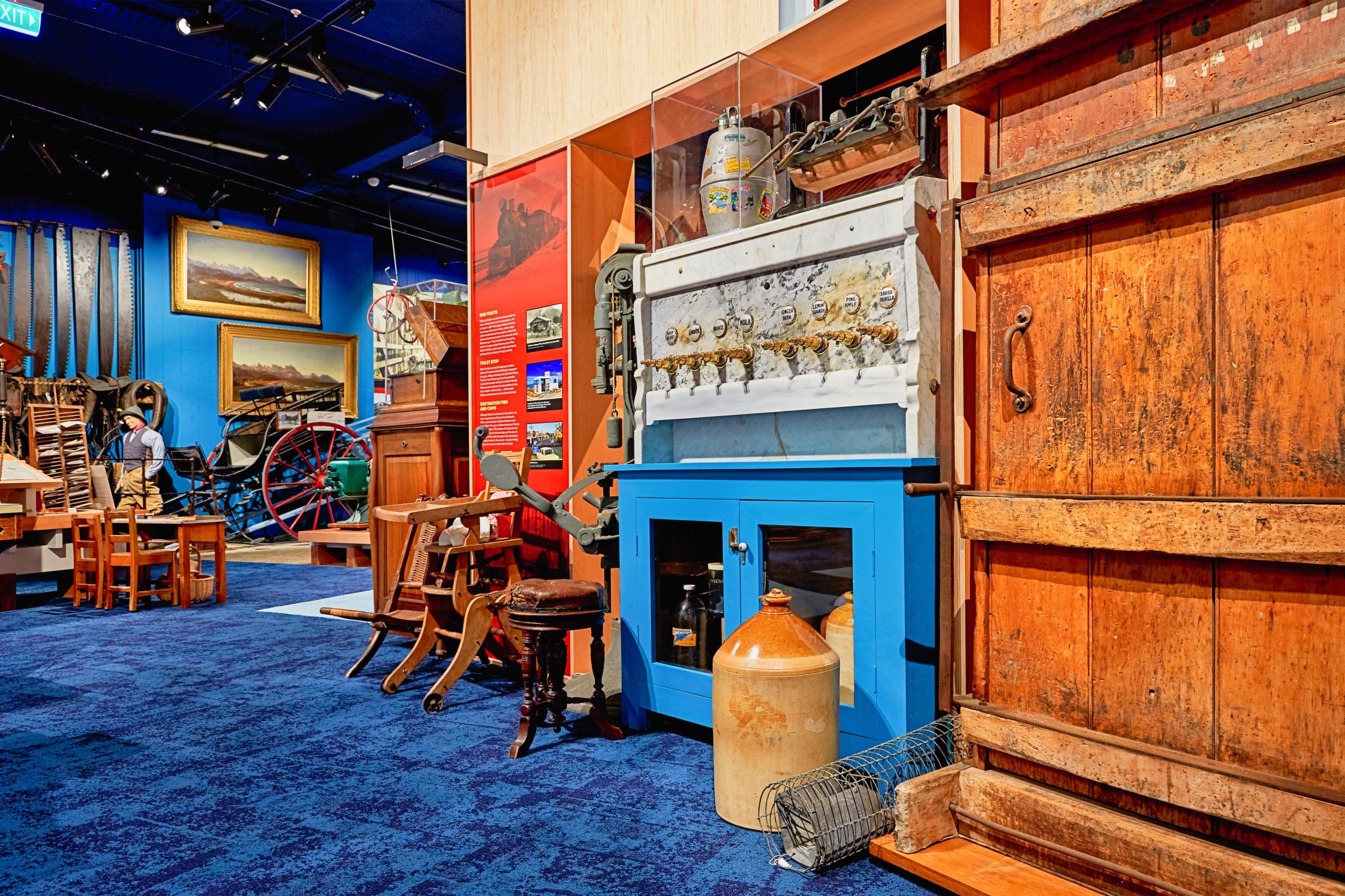
Kaikōura’s social history from Maori and later European settlement is told through objects, items and stories relating to the development of trade, transport systems, communications, and some of the people who helped to shape the history of this region.
Uniquely Kaikōura
Natural wonders and local legends found nowhere else
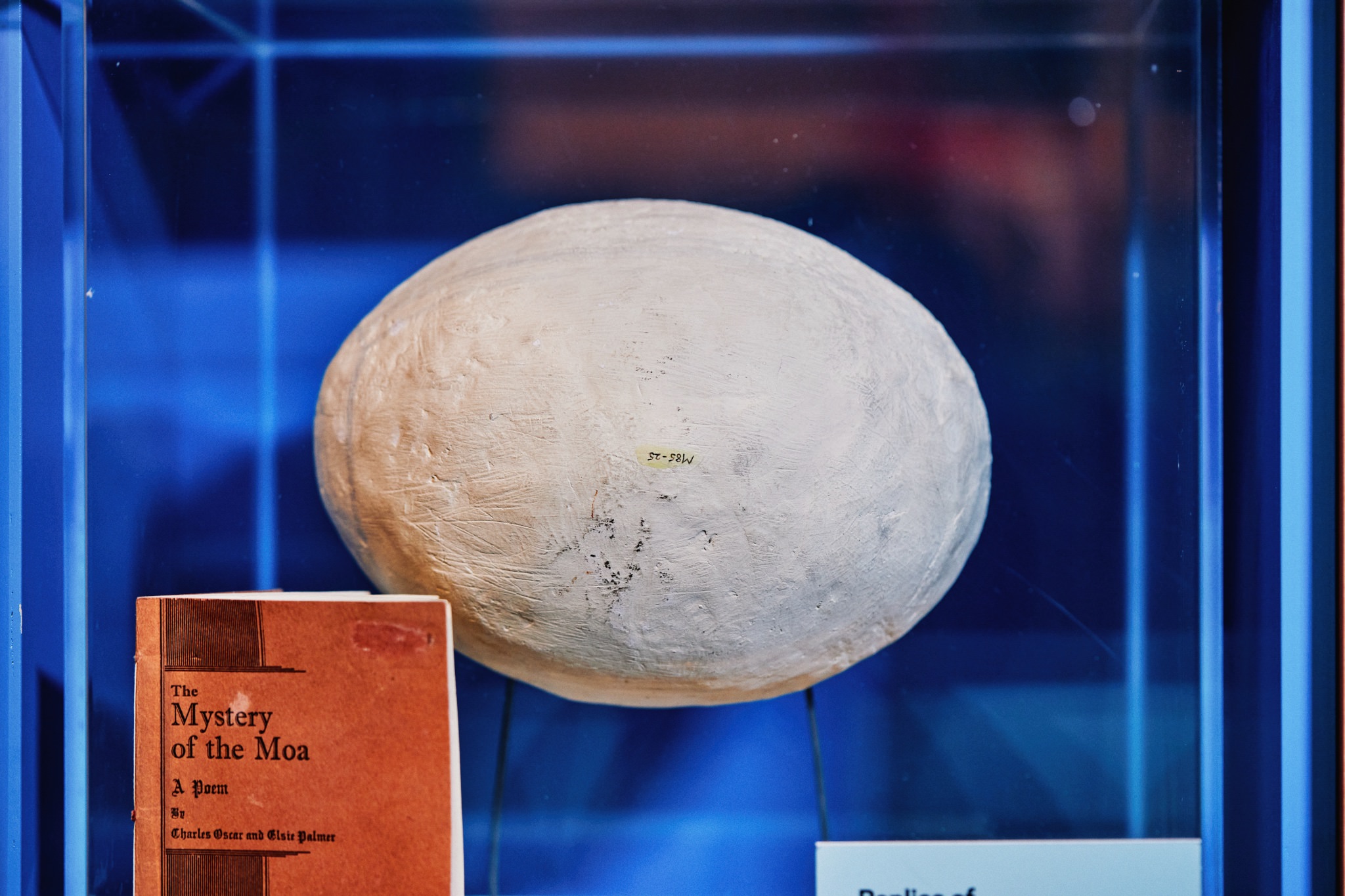
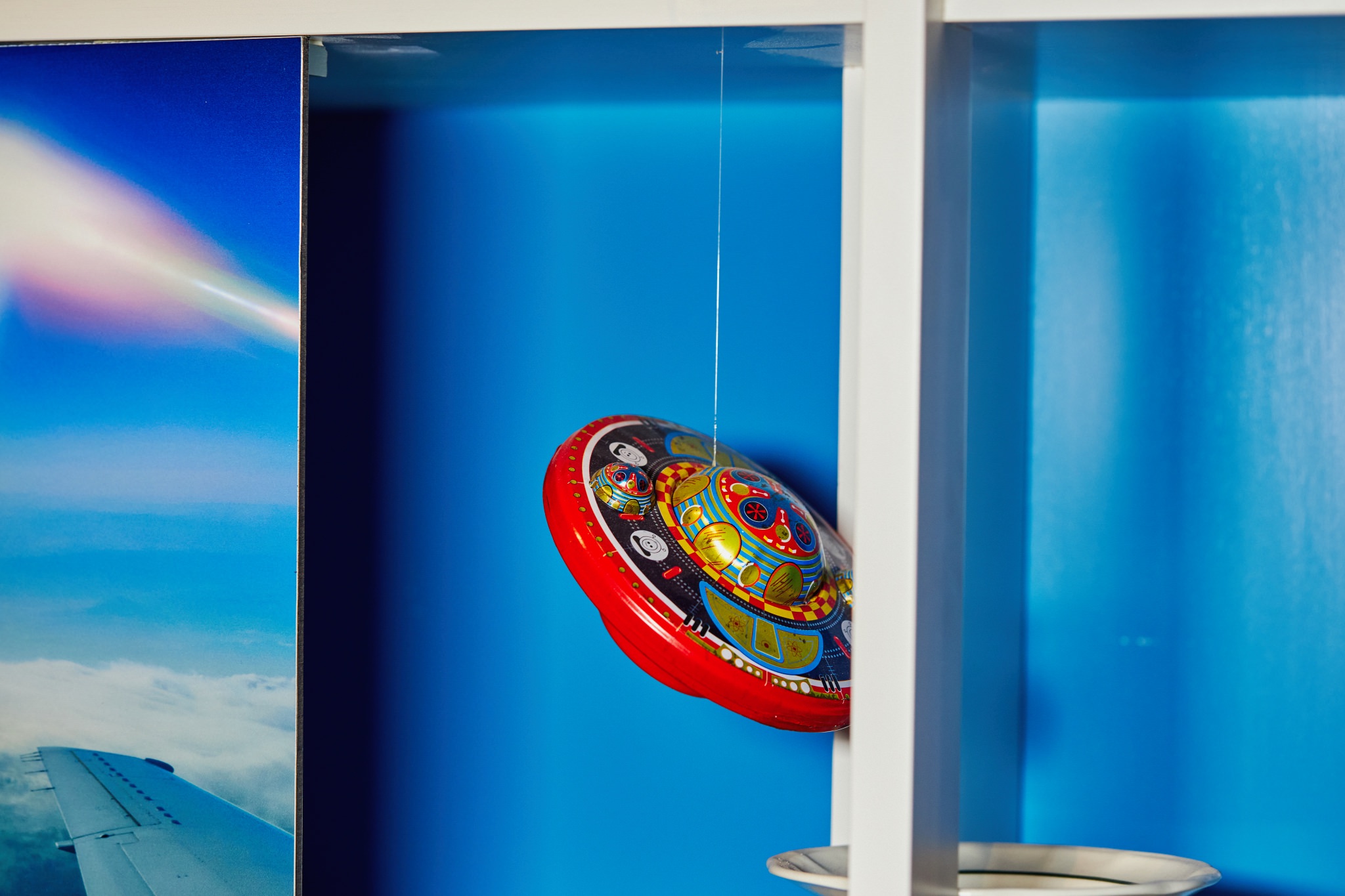
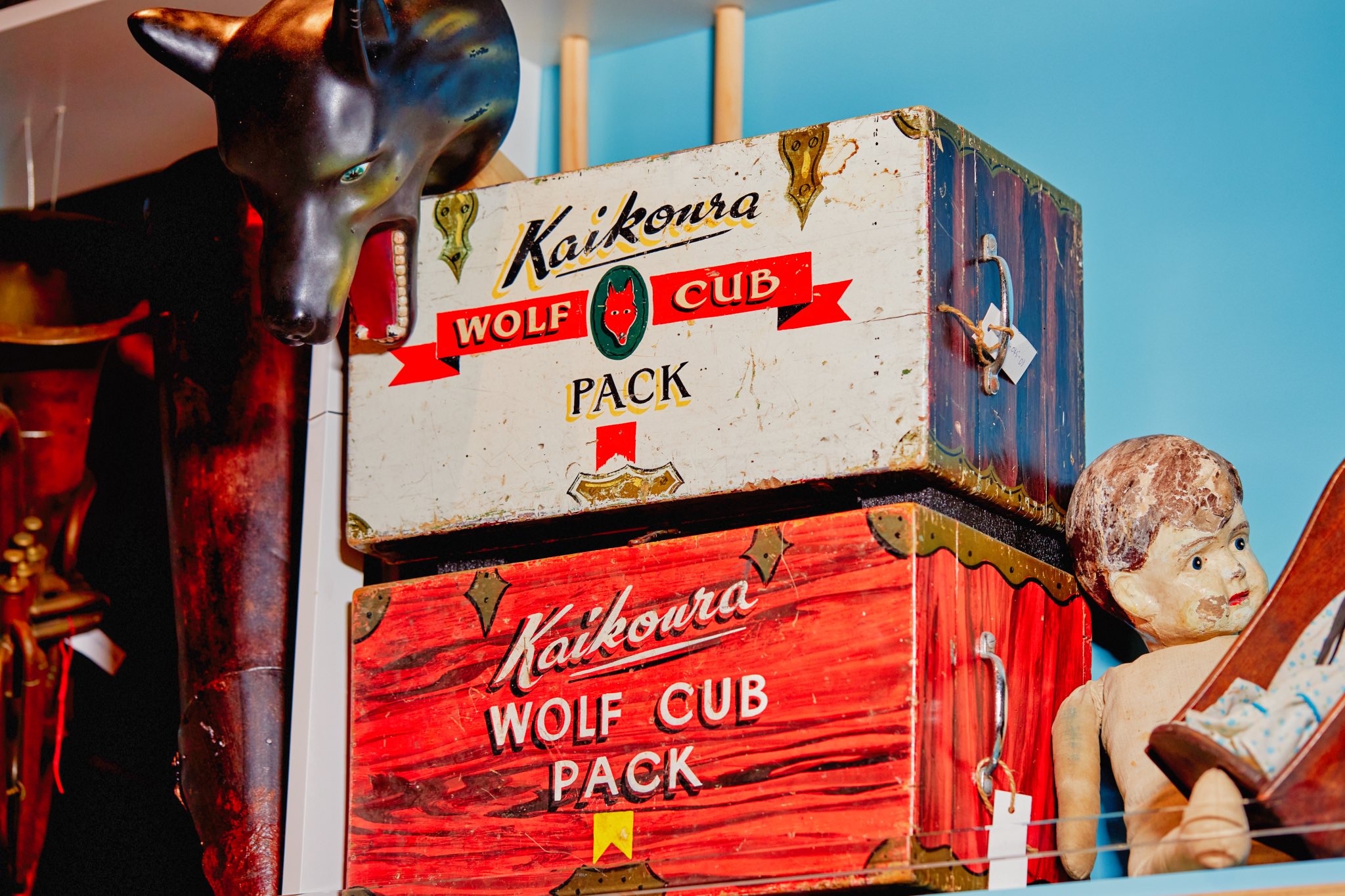
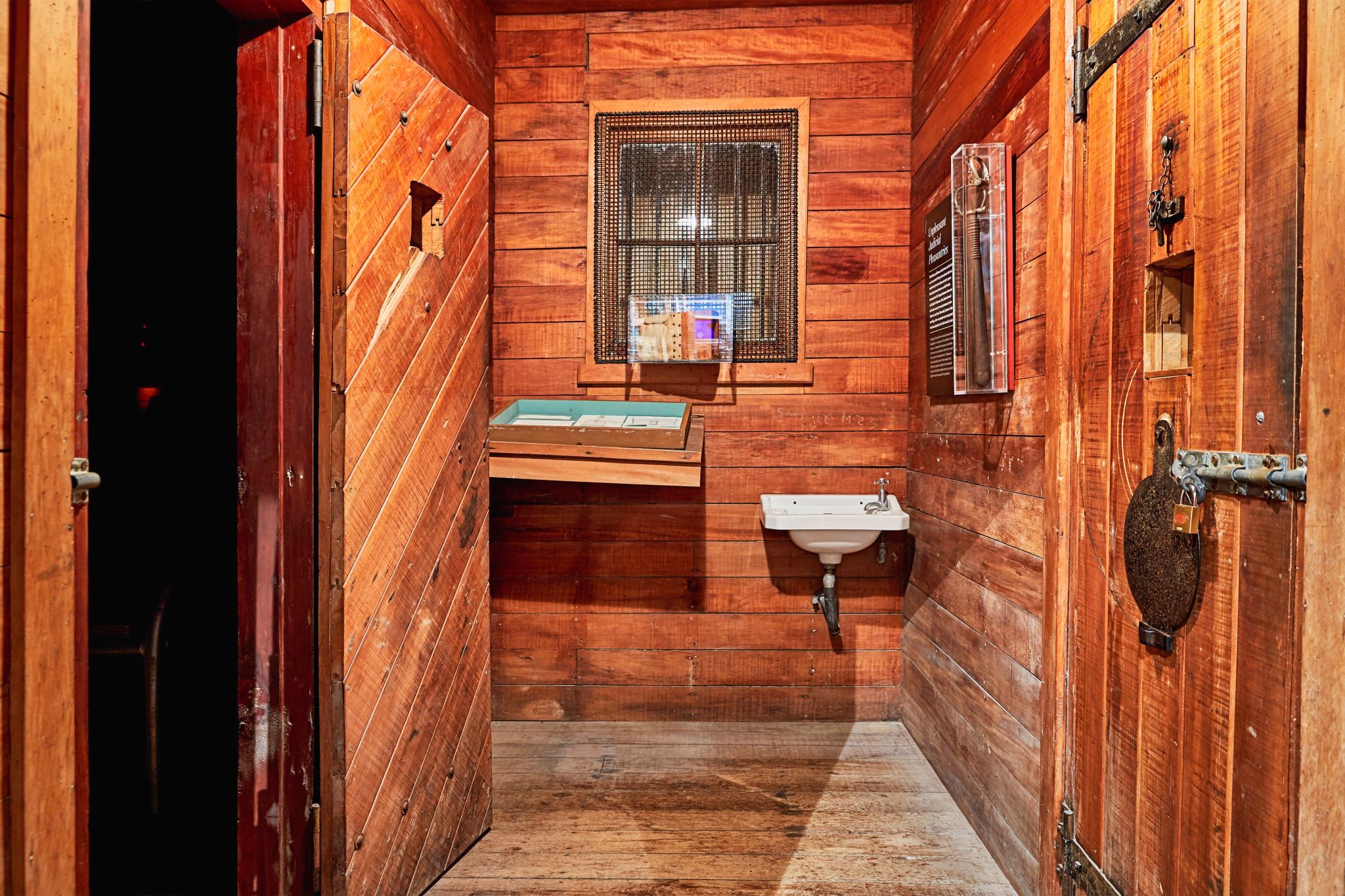
We have a number of interesting, sometimes quirky and uniquely Kaikōura features. These include a fully restored cabin from the Taiaroa ship that sank off the Kaikōura coast in 1886, a two roomed jail with a padded cell (believed to be one of only two left in New Zealand) with its own resident ghost, footage of the 1978 Kaikōura Lights (our very own UFO story) and a replica of the largest intact Moa egg ever found which was located right here in Kaikōura.
Photography Collection
Moments in time from Kaikōura’s past
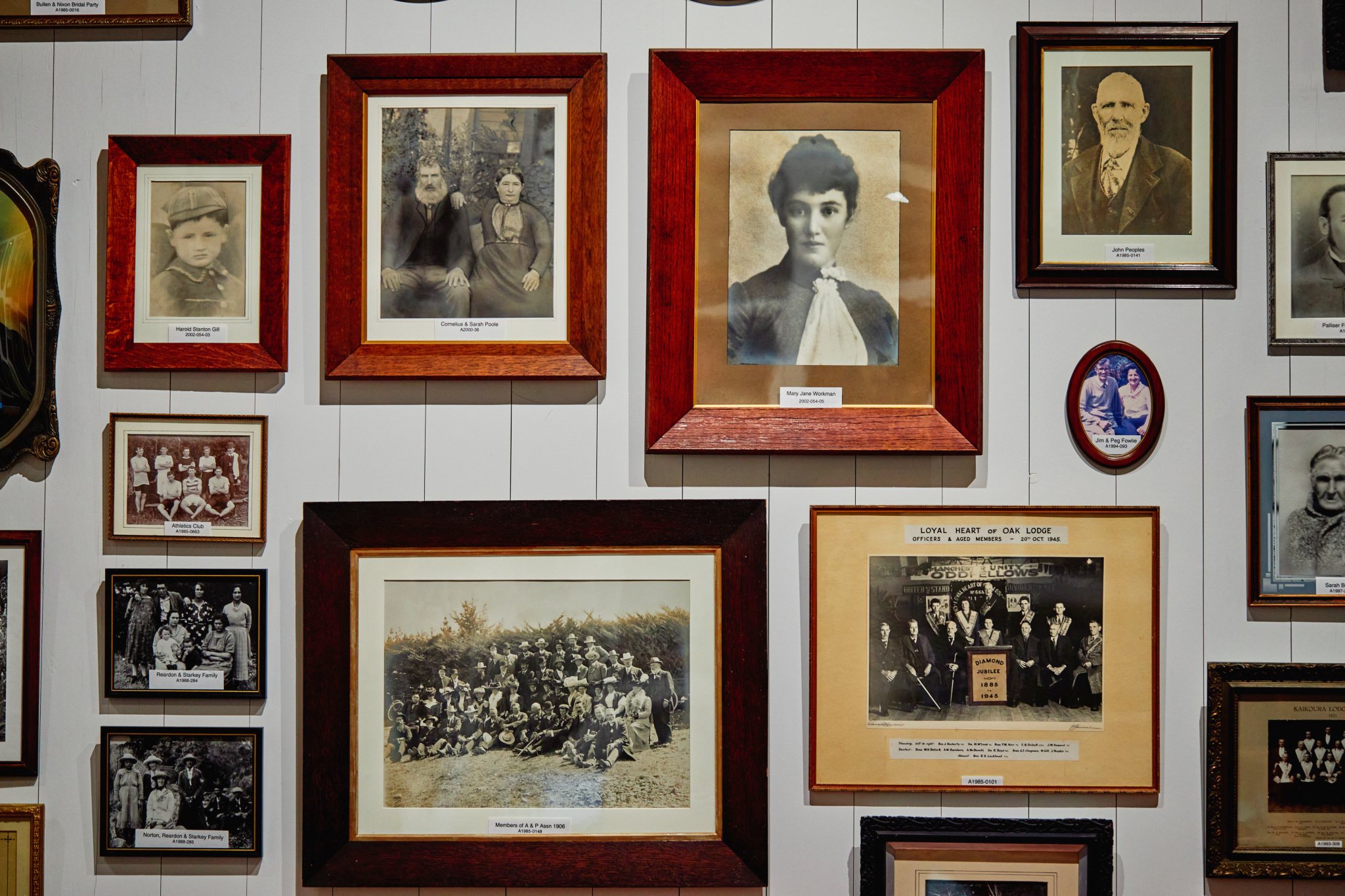
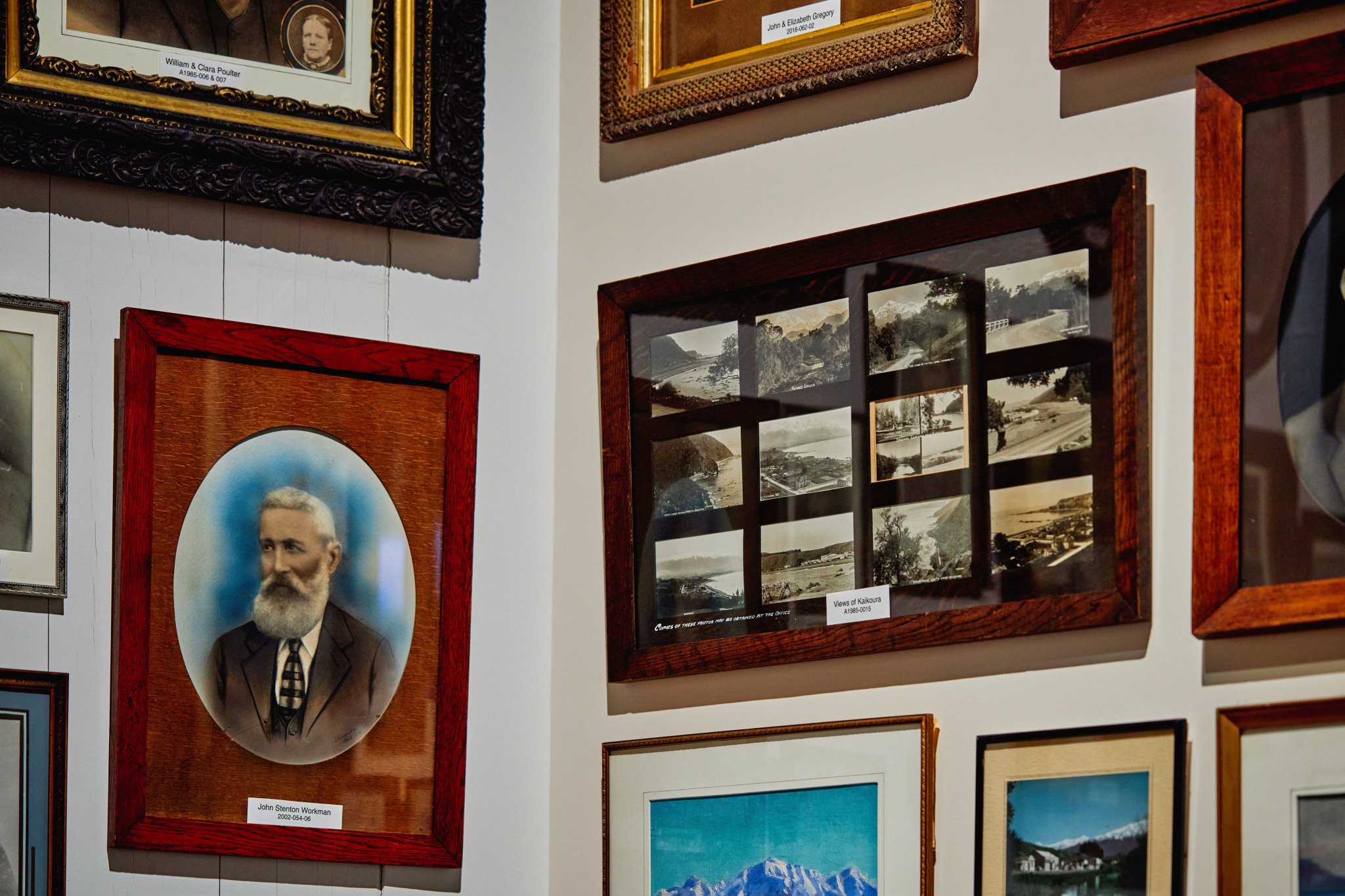
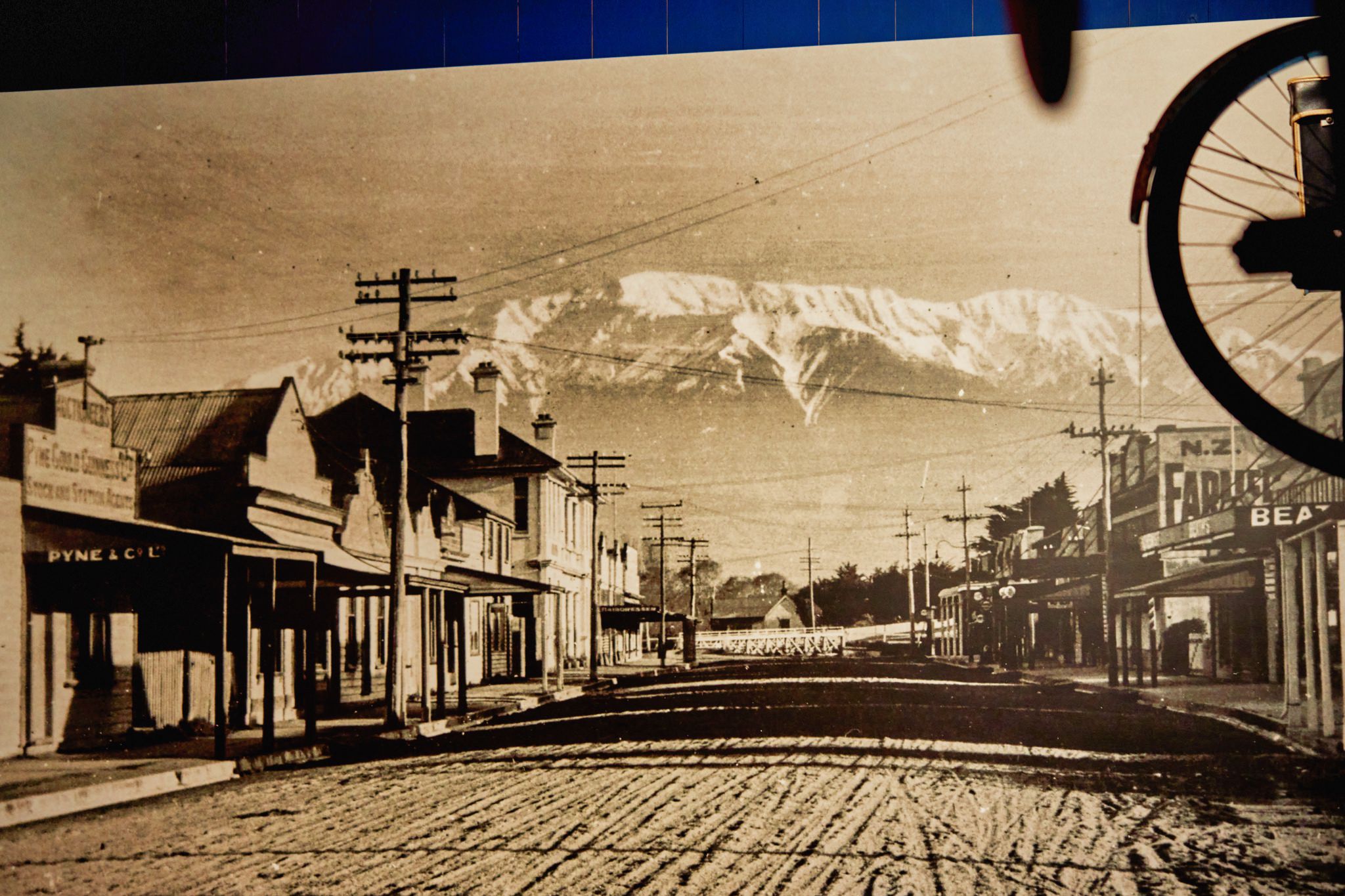
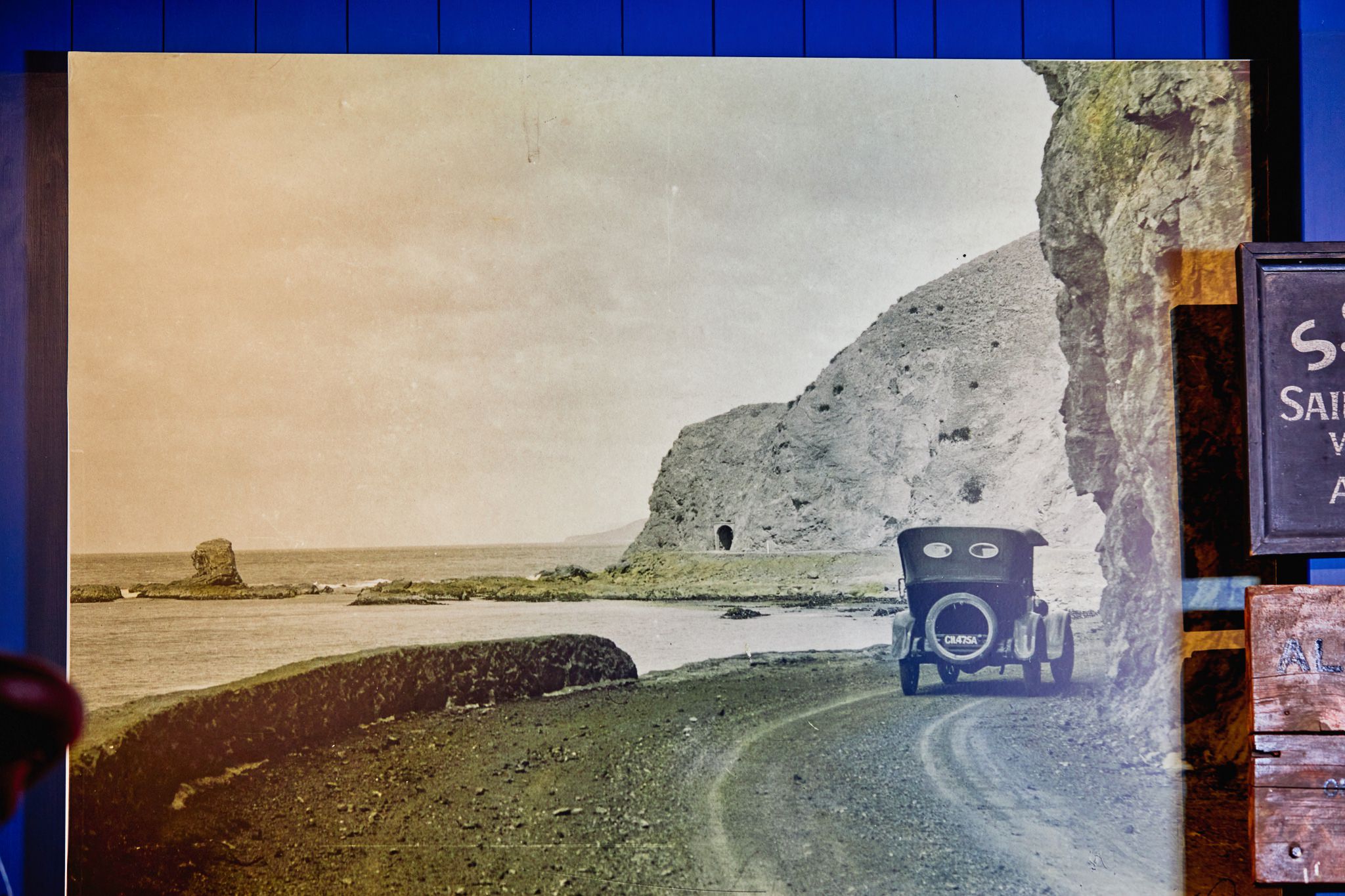
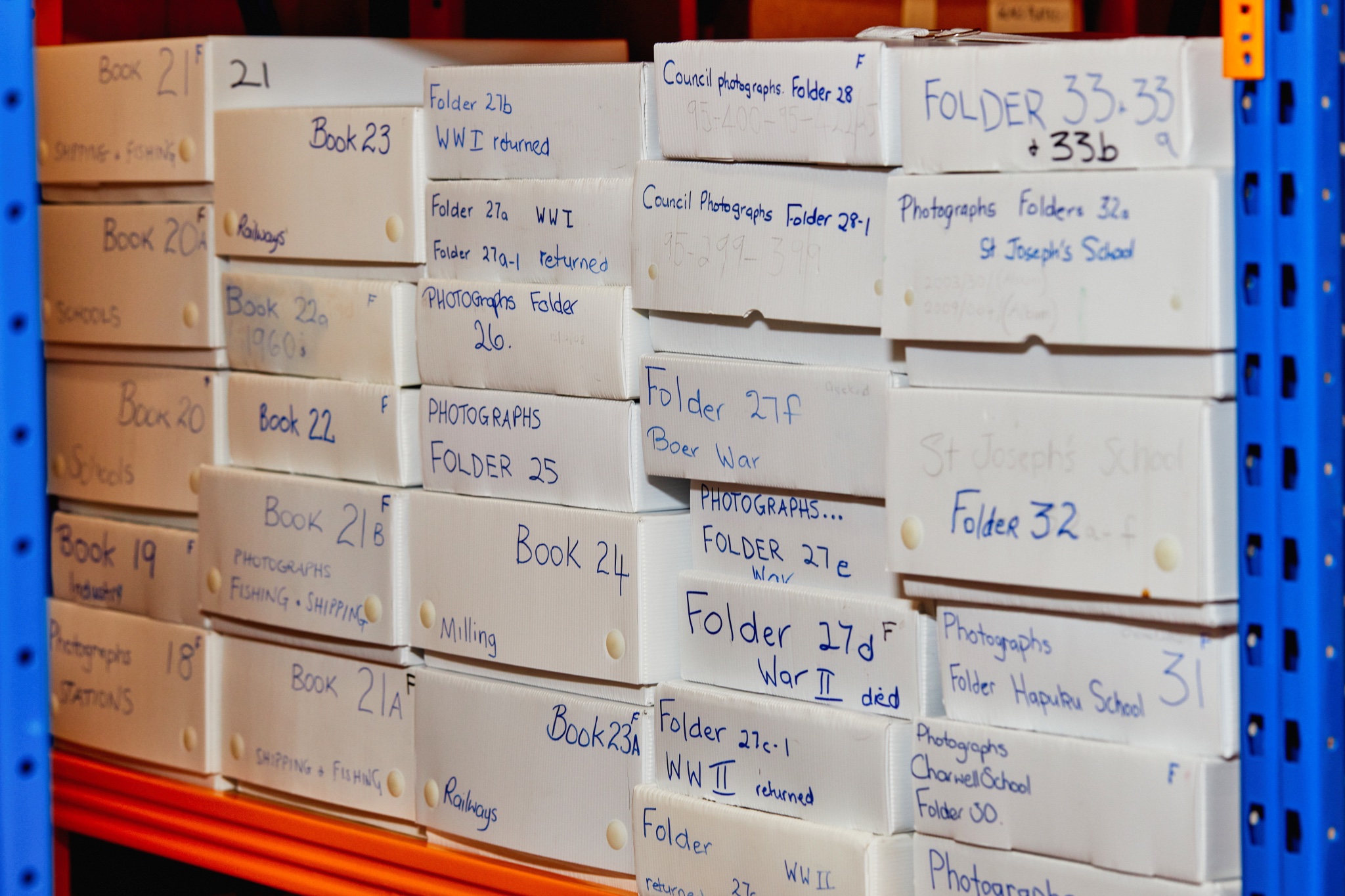
Kaikōura Museum holds over 40, 000 photographic images that serve to illustrate our diverse history. Many of these can be viewed in our ever popular photograph books which are themed on various topics from around our region and held in our research room for all to access. We have a comprehensive index of all of our photographs so that you can look up topics, people or places of interest. Copies of photographs can be purchased but conditions do apply.
For more information on prices and our photograph policy please contact us.
Archives
Documents, records, and the written memory of Kaikōura
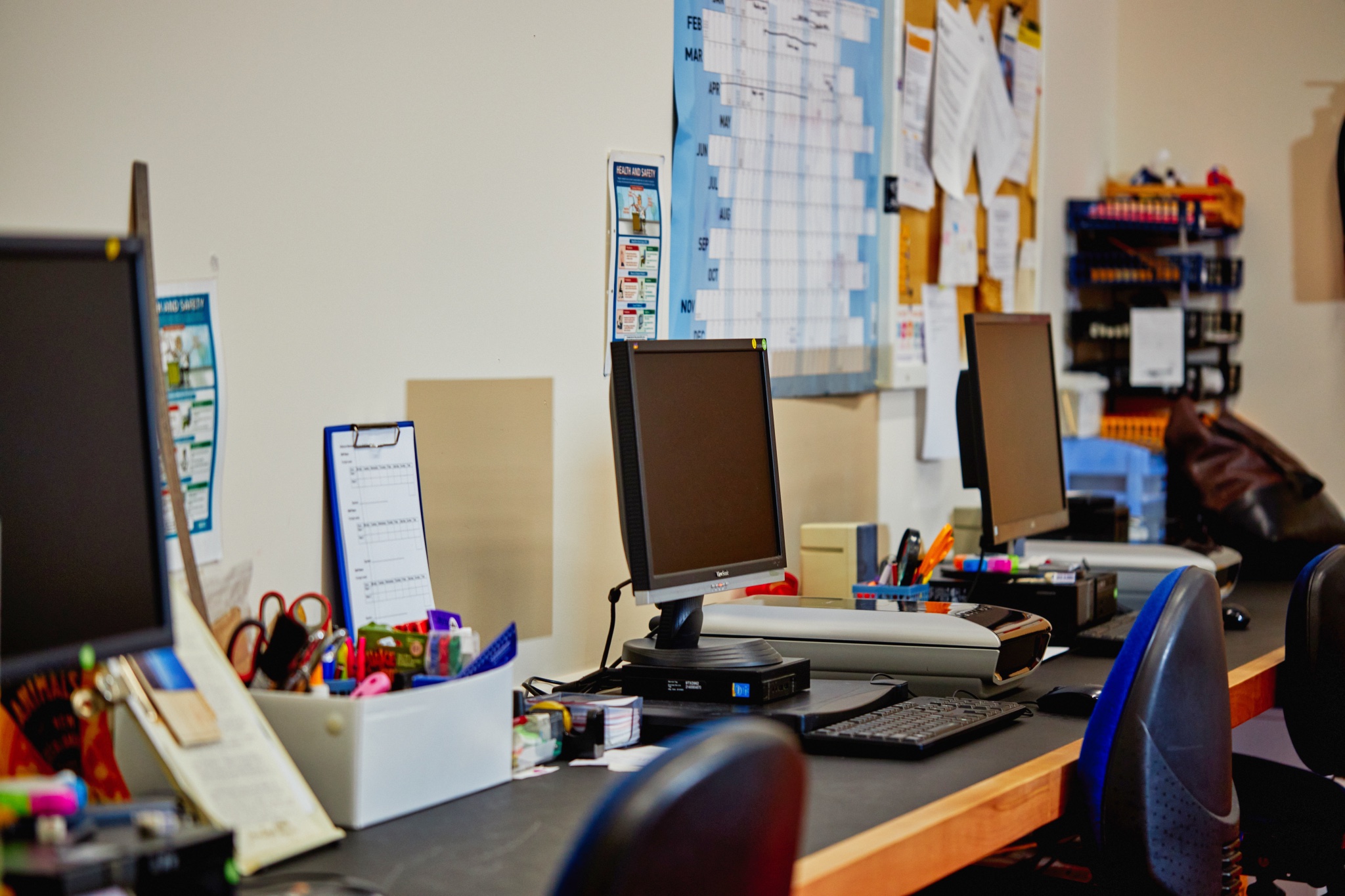
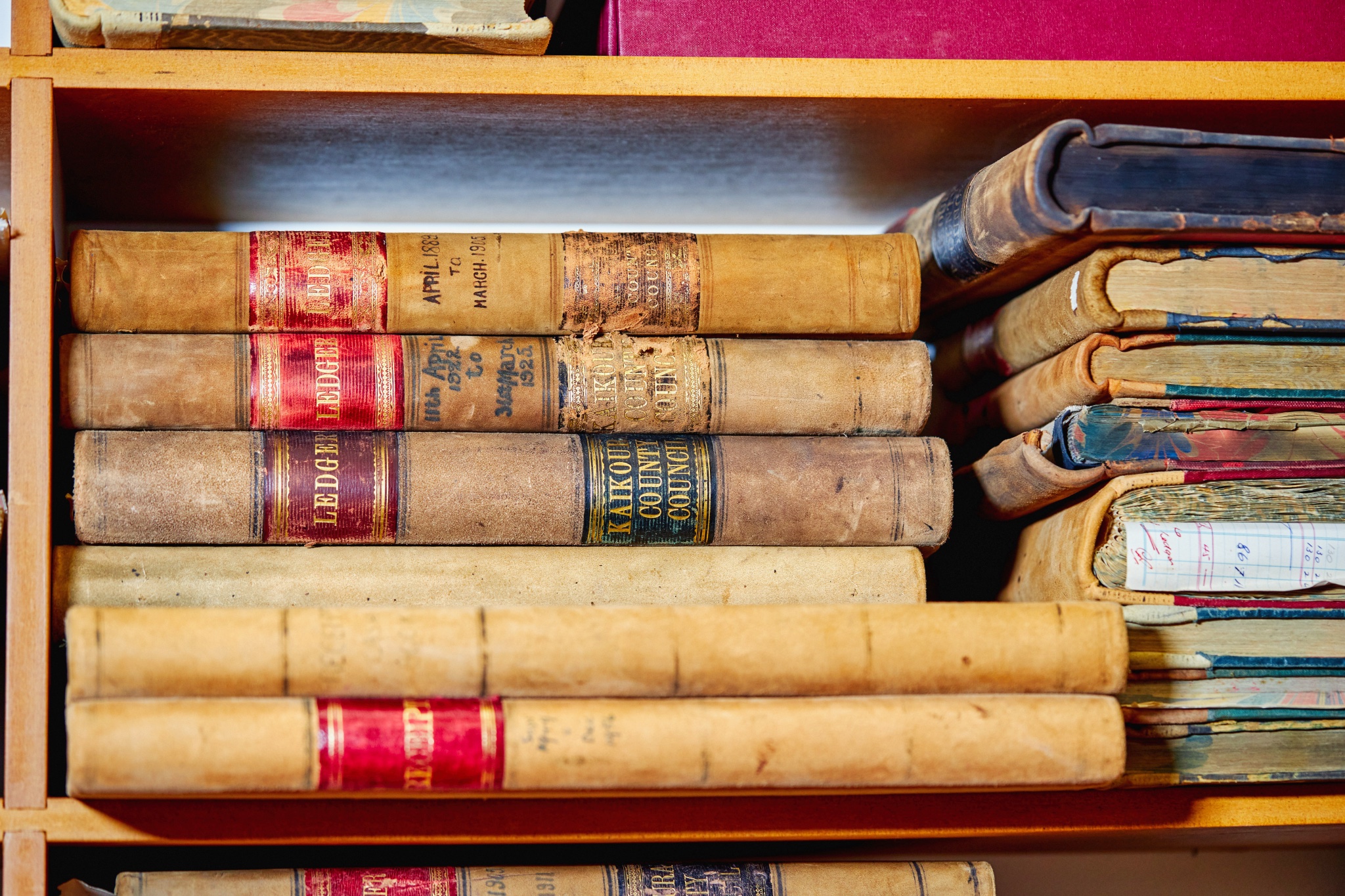
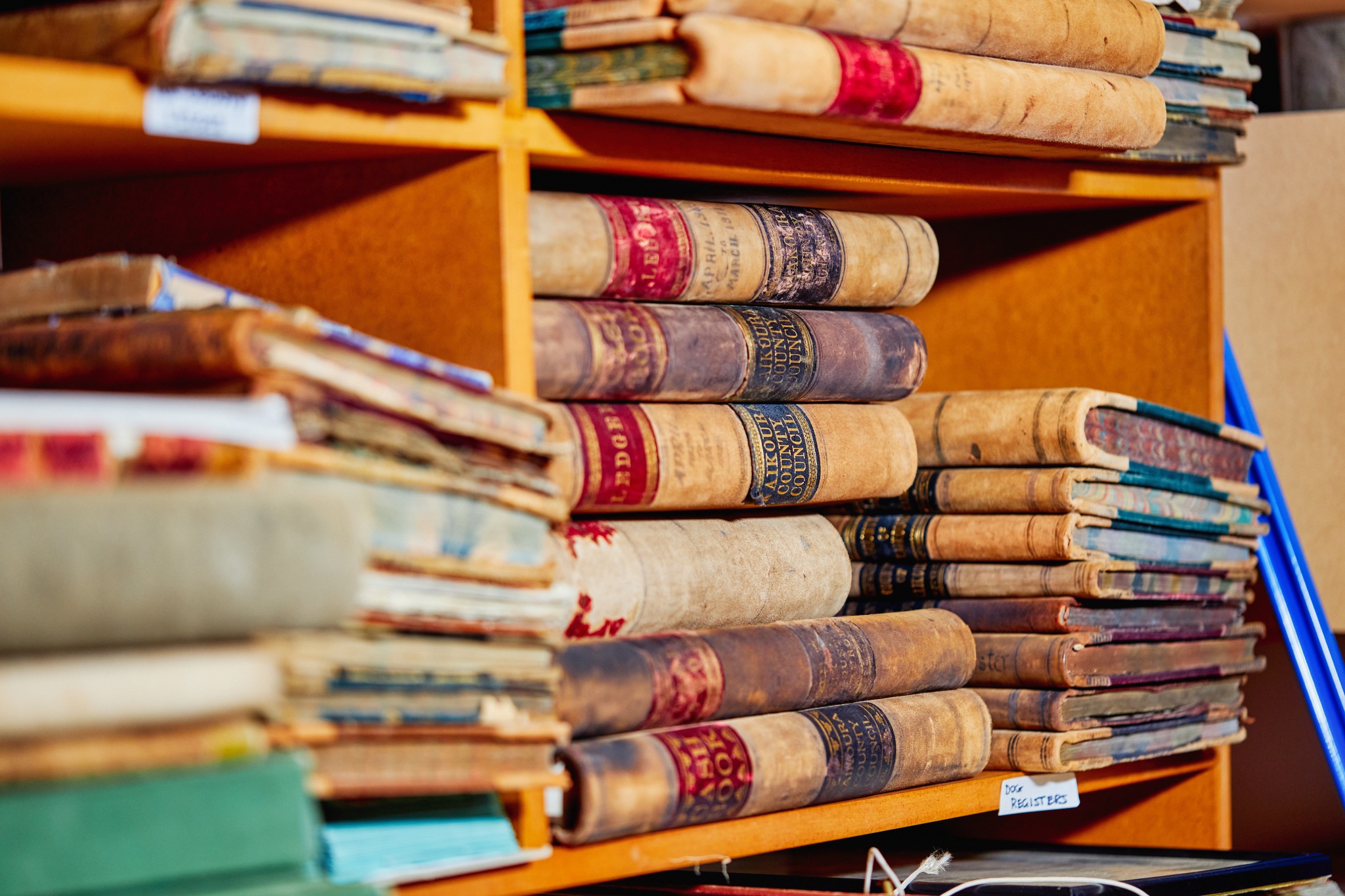
Kaikōura Museum holds the district’s archives which include an extensive collection of documents, maps, journals, history books and other archival items relating to our region’s history. We house information relating to Kaikōura clubs, societies, schools, businesses and other entities. We also hold information gathered on many early Kaikōura families for those researching their family trees. This material is catalogued and we have a comprehensive index system to assist with research and study projects as well as knowledgeable staff who can help you locate what you need and a wonderful research room for researchers to utilise.
Research
Our knowledgeable staff can provide support for activities such as:
- School, club and society reunions and celebrations
- Educational research and personal study
- Media articles, films and books
- Family research
- Identification of objects and specimens
- Academic research
We believe strongly in giving access to our collections to encourage a deeper understanding and connection to our history, so we also welcome queries from people wanting to do self-directed research.
The process for accessing our research service for personal use
- Send us your research request by completing the fields below
- We will review your request and contact you with expected timeframes, etc
- Our staff will action the request and get back to you with the results. If there is a delay for any reason, we will contact you
- If further research is required this will be agreed with you, and payment will be required before this is carried out
- Before providing copies of any material or photographs we will ask you to read our Reproduction Information sheet and agree to our terms and conditions
Fees and payment
Initial Research, up to 30 minutes, free of charge
Additional research – $30/hour
You can pay via our website with Paypal or bank transfer OR you can call into the museum to pay by cash or eftpos.
Please Note: The research fee is required before additional research is undertaken and is not refundable. Additional costs may be incurred for copies of material etc.
For all research queries please read our information sheet, including our terms and conditions, then complete the request form below: